
Looking for a Professional Water Well Drilling Company Tulelake, CA
Call us TODAy
✓ Call Your Local Well Drilling Experts
✓ Request a Free Drilling Quote
✓ Plan Your Well With Local Experience
✓ Start Your Water Well Project Today
Professional Water Well Drilling Company
Planning a dependable water well in Tulelake requires an understanding of ancient lake sediments, volcanic aquifers and the area’s heavy agricultural water demand. Tulelake sits in the Upper Klamath Basin near the Oregon border, where layers of clay, silt, sand, volcanic ash and diatomite can extend hundreds of feet below the surface. Deeper basalt formations beneath these sediments can provide substantial groundwater, but reaching them may require significantly deeper drilling.
Enloe Drilling & Pumps provides professional water well drilling in Tulelake, CA for rural homeowners, farmers, ranchers and commercial property owners. Our multigenerational team considers nearby well completion reports, expected geological conditions, site access and the property’s total water demand before developing a drilling plan.
Properties within the City of Tulelake may have access to the municipal water system, which uses groundwater wells. Private wells are more common on farms, rural homes and undeveloped properties beyond the city’s service area. Before planning a new well, confirm whether municipal water is available and whether the proposed groundwater use meets current basin requirements.
Local Geology and Drilling Conditions in Tulelake
Tulelake is located within a structural basin formed by faulting in volcanic rock. Ancient Tule Lake once covered a much larger part of the surrounding landscape. Over time, the basin accumulated thick layers of fine lakebed sediment mixed with volcanic material from the Medicine Lake Highlands and other regional volcanic sources.
The area contains two main groundwater systems. The shallower system occurs in lakebed and alluvial deposits. A deeper system exists in fractured and porous basalt beneath the sediments. The depth, yield and construction requirements of a well depend on which system is targeted.
Ancient Lakebed Sediments
Drilling near Tulelake may encounter thick layers of clay, silt, sand, volcanic ash and diatomite. Diatomite forms from the remains of microscopic aquatic organisms that accumulated on the bottom of the ancient lake.
USGS studies indicate that basin-fill sediments beneath Tulelake can reach approximately 1,740 feet in thickness. Much of this material has low to moderate permeability. Fine clay and silt can store water but may release it too slowly to support a high-producing well.
Coarser sand layers within the basin fill can provide useful domestic water. These zones may be separated by thick clay layers that restrict vertical groundwater movement. Correct casing and screen placement are important because an unsuitable screen can allow fine sediment to enter the well.
Deep Basalt Aquifers
Beneath the lake sediments are layers of basalt created by earlier volcanic activity. Fractures, cooling joints and spaces between lava flows can store and transmit large amounts of groundwater.
These deeper volcanic formations are especially important for high-capacity agricultural wells. Regional records include irrigation wells extending several hundred feet and, in some locations, more than 1,500 feet to reach productive basalt intervals.
Deep drilling is not automatically necessary for every property. A residential well may find a suitable water-bearing sediment layer at a much shallower depth. The intended water use, local records and formations encountered during drilling should guide the final decision.
Shallow Groundwater and Agricultural Drains
Groundwater in the shallow sedimentary system can move laterally toward the area’s extensive network of agricultural drains. Water can also move vertically between the sedimentary and volcanic aquifers where geological conditions permit.
Pumping from deep agricultural wells may affect regional groundwater levels and the amount of shallow groundwater entering drainage channels. Groundwater planning in Tulelake therefore involves more than the performance of one well. Seasonal irrigation demand and basin-wide pumping must also be considered.
Typical Water Well Depths in Tulelake
Water well depths near Tulelake cover an unusually wide range because domestic and agricultural wells can target completely different formations. A household well may draw from a shallow sand layer, while a large irrigation well may extend through hundreds of feet of lake sediment to reach basalt.
Monitoring records for the Tule Lake Subbasin include domestic wells completed at approximately 32, 38, 40, 65, 101 and 135 feet. Broader records for the 96134 area include deeper domestic wells and indicate a median completed depth of approximately 180 feet.
For initial residential planning, many Tulelake projects may consider a broad range of approximately 50 to 250 feet. Some properties may obtain adequate domestic water at shallower depths. Others may require deeper drilling to find a permeable sand layer, improve the available water column or avoid unreliable shallow groundwater.
Agricultural wells can be much deeper. Documented Tulelake Irrigation District wells include depths of approximately 571, 740, 1,570 and 1,810 feet. These are large production wells targeting deeper formations and should not be treated as typical residential well depths.
Before developing a Tulelake drilling plan, we consider:
- California well completion reports near the property
- Recorded well depths, perforations and static water levels
- The difference between shallow sediment and deep basalt wells
- Reported yields and available pump-test information
- The property’s location within the Tule Lake Subbasin
- Nearby domestic and agricultural groundwater pumping
- Seasonal water-level changes and drought conditions
- The required household, livestock or irrigation volume
- Space for pumps, controls, storage and electrical equipment
The correct well depth is not determined by the deepest well in the area. The goal is to reach a formation that can provide the required water while supporting efficient pumping and long-term system reliability.
Residential and Agricultural Water Requirements
Residential Water Wells in Tulelake
A residential well must supply drinking water, bathrooms, laundry, appliances and outdoor faucets. Rural properties may also need water for workshops, gardens, livestock and fire-protection storage.
A shallow well can serve a home when the aquifer provides adequate recovery and suitable water quality. However, shallow groundwater may be more vulnerable to seasonal changes and contamination from surface activities. Correct siting, casing and sanitary sealing are essential.
A moderate-producing domestic well can sometimes support a household when paired with an appropriately sized storage tank. The well fills the tank at a controlled rate, and a separate pressure pump supplies water during periods of higher demand.
Benefits of a properly designed residential well system include:
- A private supply for qualifying rural properties
- A pump matched to tested well production
- Storage options for moderate-producing wells
- Water planning for homes, gardens and limited livestock
- Protection against excessive pump cycling
- Documented construction for future servicing
- Equipment designed for freezing winter conditions
New well water should be tested before regular household use. Testing is particularly important in agricultural areas because clear water can still contain bacteria, nitrate, minerals or other substances that cannot be identified by appearance or taste.
Agricultural and Irrigation Wells in Tulelake
Agriculture is central to the Tulelake economy. The surrounding basin supports potatoes, onions, grains, alfalfa, pasture and other crops. These operations can require sustained water production over long irrigation periods.
An agricultural well must be designed around the acreage, crop requirements, irrigation method and number of daily pumping hours. The well diameter, screened or perforated intervals, pump size, motor, electrical supply and discharge infrastructure must work as one system.
Deep basalt wells may provide high production, but they are major construction and energy investments. The cost of lifting water from depth should be included when evaluating pump size and long-term operating expenses.
The Tule Lake Subbasin is managed under California’s Sustainable Groundwater Management Act through an approved Groundwater Sustainability Plan. New or expanded agricultural pumping may require review by Siskiyou County, the Tulelake Irrigation District or the local Groundwater Sustainability Agency.
A county drilling permit authorises construction of the well. It does not automatically guarantee a specific pumping allocation, irrigation entitlement or water right.
Access Considerations for Rural Tulelake Properties
Tulelake is generally flatter than many other parts of Siskiyou County, but agricultural access still requires preparation. Drilling equipment may need to cross farm roads, drainage channels, irrigation infrastructure and cultivated ground.
Lakebed soils can become soft and unstable after rain, snowmelt or irrigation. A road that easily supports farm pickups may not support a fully loaded drilling rig and its support vehicles.
Before equipment is mobilised, we assess:
- Farm-road width, surface and load-bearing capacity
- Gate openings and room for large vehicles to turn
- Irrigation ditches, pipelines and drainage channels
- Bridge, culvert and cattle-guard weight limits
- Soft lakebed soil, mud and standing water
- Overhead power lines and irrigation equipment
- Active crops and areas that must be protected
- Space for casing, support vehicles and drilling materials
- Safe separation from septic and contamination sources
- Permanent access for future pump and well servicing
Temporary road reinforcement may be necessary when the soil is soft. Underground irrigation lines, electrical cables and drainage pipes should be marked before the rig arrives.
The wellhead should remain outside areas that are regularly cultivated, flooded or crossed by heavy farm machinery. Future pump service requires a clear route and enough space for equipment to work directly above the well.
California Well Permits and Construction Requirements
Siskiyou County Environmental Health reviews and permits water wells in the Tulelake area. A permit is generally required before drilling a domestic or agricultural well or deepening, altering, repairing or properly destroying an existing well.
Properties within the City of Tulelake should first confirm whether the municipal groundwater system can serve the parcel. City water availability may affect whether a private well is required or eligible for approval.
The proposed location must meet current separation requirements. Review may consider septic tanks, disposal fields, sewer lines, agricultural drains, livestock areas, chemical storage, fuel tanks and other possible contamination sources.
Well construction must comply with California Water Well Standards and current Siskiyou County requirements. These rules address casing, sanitary seals, screened or perforated intervals, surface drainage and the protection of separate groundwater formations.
The work must be completed by a contractor holding the appropriate California license. The county may require notice before the annular seal is installed so an inspection can be arranged. The required well completion report must also be submitted after construction.
The normal process includes:
- Confirming whether city water service is available
- Defining the proposed domestic or agricultural use
- Reviewing nearby well records and basin information
- Consulting the appropriate groundwater agency when required
- Selecting a location that meets current setbacks
- Submitting the Siskiyou County well permit application
- Preparing the access road and drilling pad
- Drilling and installing the casing and well screen
- Placing the required sanitary seal
- Developing and testing well production
- Selecting the pump, controls and storage system
- Testing the water and filing completion documents
Permit fees, forms and groundwater-review procedures can change. Property owners should confirm current requirements with Siskiyou County Environmental Health, the City of Tulelake and the Tulelake Irrigation District before scheduling construction.
Communities We Serve Near Tulelake
Our Tulelake water well drilling service includes qualifying properties in and around:
- Tulelake
- Newell
- Hatfield
- Stronghold
- Clear Lake
- Dorris
- Macdoel
- Malin
- Merrill
- Rural properties along Highway 139
- Farms throughout the Tule Lake Basin
- Properties near the California-Oregon border
Illustrative Tulelake Water Well Drilling Scenario
The following example shows how a typical Tulelake-area project could be planned. It is an illustrative scenario and is not presented as a completed Enloe customer project.
Imagine a family purchasing a rural property outside Tulelake. The plans include a three-bedroom home, a workshop, several livestock troughs and a small market garden. The parcel is beyond the municipal water-service boundary and requires an approved private well.
The first step would be to calculate the combined household, livestock and garden demand. Nearby well records would help identify likely depths, static water levels and the types of sediments previously encountered in the area.
The proposed well location would need to remain clear of the septic system, agricultural drains and chemical-storage areas. Because the farm road crosses soft lakebed soil, a section might need to be reinforced before the drilling rig arrives.
Suppose drilling reaches a productive sand layer that provides enough water for the home and animals but cannot supply the garden’s entire peak irrigation demand. A storage tank could collect water between watering periods, allowing the family to irrigate in separate zones.
This system would use the tested capacity of the well without placing unnecessary stress on the aquifer or pump. It demonstrates why storage, peak demand, water quality and access matter just as much as the final drilling depth.
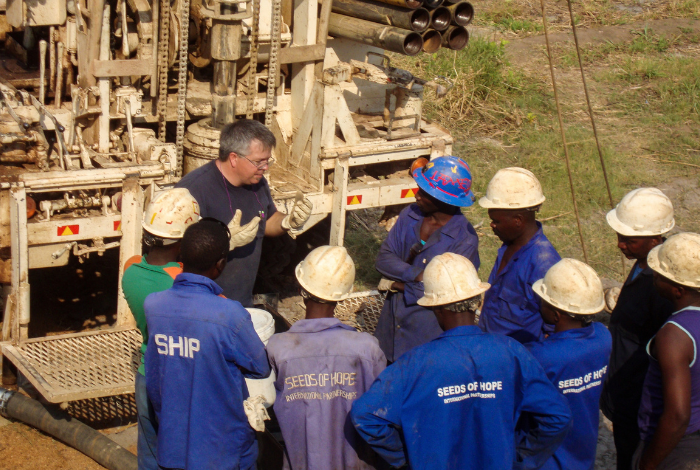
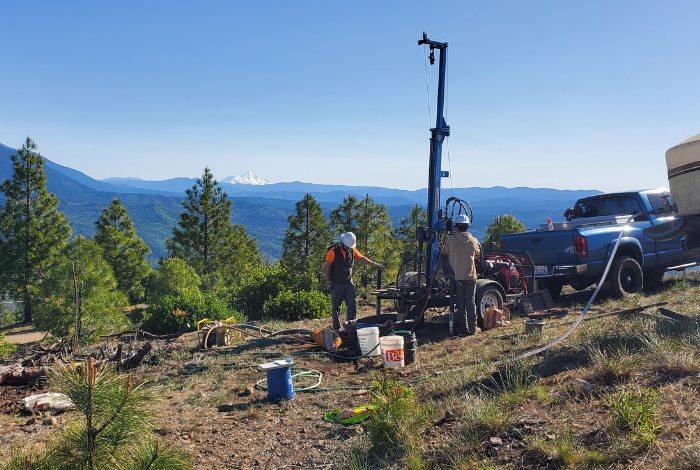
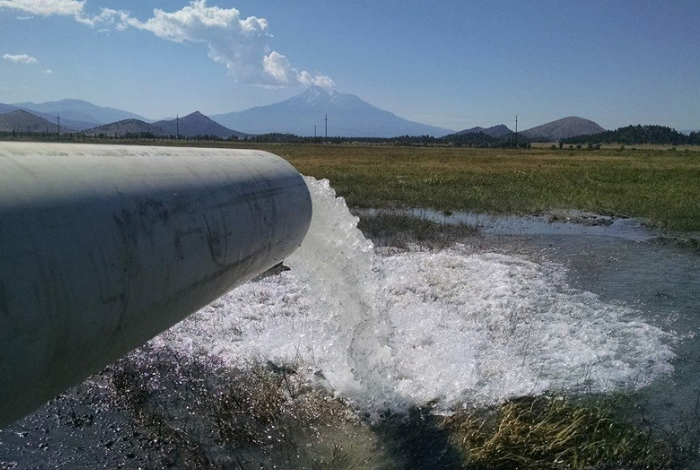
Images of some of our Drilling Projects


Benefits of Well drilling in Tulelake CA
Tulelake wells can range from shallow domestic systems in lakebed sediment to deep agricultural wells targeting volcanic rock. This variation makes proper planning, equipment selection and geological experience especially important.
Choosing Enloe Drilling & Pumps provides several practical advantages:
- Multigenerational water well drilling experience
- Knowledge of Northern California sedimentary and volcanic formations
- Planning supported by nearby completion reports
- Domestic, agricultural and commercial drilling capabilities
- Well development, production testing and pump services
- Screen and casing selection based on actual formations
- Practical access planning for farms and rural parcels
- Clear explanations of depth, yield and equipment options
We do not guarantee a fixed depth or flow rate before drilling begins. We use available records to prepare for likely conditions and base the final construction and pumping system on the formations and water production encountered.
Your questions answered
FAQ About Water Well Drilling in Tulelake, CA
What is the typical water well depth near Tulelake?
Domestic well depths vary widely. Monitored wells in the Tule Lake Subbasin include depths from approximately 32 to 135 feet, while broader records for the 96134 area show a median near 180 feet. Many residential projects may use an initial planning range of roughly 50 to 250 feet. The actual depth depends on the sediment layers and groundwater encountered.
Why are some Tulelake agricultural wells more than 1,000 feet deep?
Thick lakebed sediment covers deeper basalt formations beneath parts of the basin. Some high-capacity irrigation wells extend through the basin fill to reach fractured and porous basalt capable of producing larger volumes of groundwater.
Does a shallow water table mean I only need a shallow well?
No. The static water level may be shallow even when the producing formation is much deeper. The well needs enough depth below seasonal low water levels to provide a reliable water column and safe pump placement.
Can I use a new well for agricultural irrigation?
Potentially, but the proposed pumping volume must be reviewed against current county and Tule Lake Subbasin requirements. A well construction permit does not automatically provide an irrigation allocation or unrestricted pumping authority.
How should I prepare a Tulelake farm for drilling equipment?
Provide a stable route with enough width and turning space for heavy vehicles. Mark irrigation lines, electrical cables, drains, septic components and chemical-storage areas. Check culverts and bridges, and reinforce soft sections of the access road if necessary.
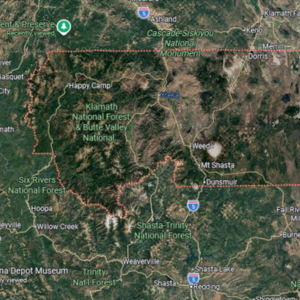
Locations in California we Service
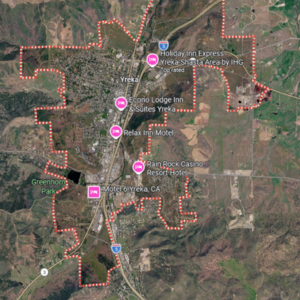
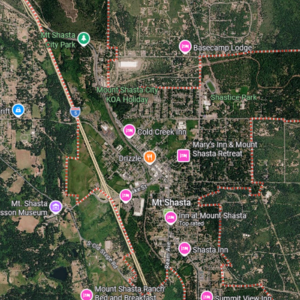
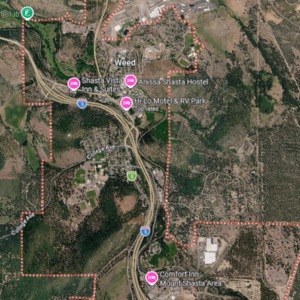
Siskiyou
Yreka
Mount Shasta
Weed
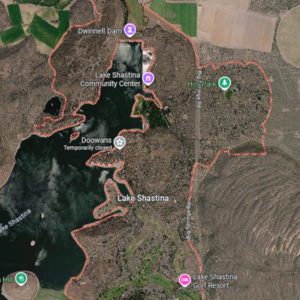
Lake Shastina
Montague
McCloud
Etna
Intersting Facts about Tulelake, CA
- Tulelake is surrounded by former lakebed farmland. Much of the surrounding agricultural land was created through the Klamath Reclamation Project, which converted portions of the historic Tule Lake wetlands into productive farmland.
- The area is an important stop for migrating birds. Tule Lake National Wildlife Refuge provides critical habitat for ducks, geese, shorebirds and other species traveling along the Pacific Flyway.
- Tulelake is close to a nationally important World War II site. The nearby Tule Lake Segregation Center confined more than 18,000 people of Japanese ancestry, making it the largest of the War Relocation Authority camps.
- Deep layers of ancient lake sediment lie beneath the area. Geological investigations have identified hundreds of feet of sediment below Tulelake, reflecting the region’s long history of volcanic activity, changing lakes and sediment accumulation.
- Groundwater supports local homes and agriculture. Tulelake’s public water system uses groundwater wells, while surrounding farms may rely on deeper irrigation wells that draw water from productive volcanic formations beneath the basin.
Read Our Latest Blogs

What Is the Difference Between a Shallow Well and a Deep Well?
The difference between a shallow well and a deep well involves much more than the number of feet drilled. Depth affects the type of groundwater

How Deep Does a Water Well Need to Be?
If there is one question every homeowner asks before drilling a water well, it is, “How deep does it need to be in Southern Oregon?”

How to Choose Between Well Drilling Companies
Choosing a well drilling company involves more than comparing prices per foot. You are choosing the contractor who will build a water source your household,
Get in Touch
For all your water well drilling and pump needs contact us today
Address
2301 S Mt Shasta Blv, Mt Shasta CA 96067
Enloedrillingandpumps@gmail.com
Call Us
541-841-4124