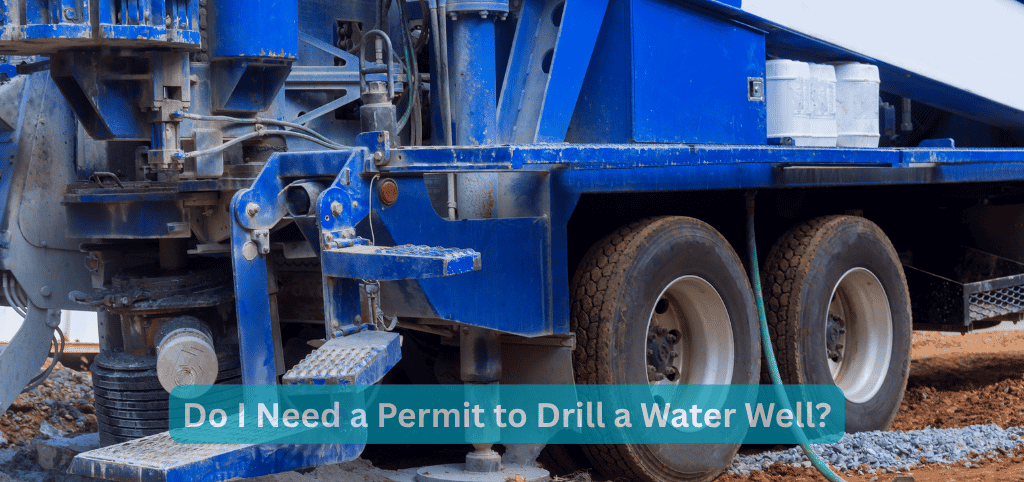
You need to check the applicable well-construction requirements before drilling a water well. In Northern California, you must obtain a well permit from the local permitting agency before construction begins. In Southern Oregon, a qualifying domestic well generally does not require a water right permit, but state well-construction rules, advance notification, fees, and reporting requirements still apply.
The important distinction is between permission to construct a well and authorization to use groundwater. These are separate questions. A water-use exemption does not mean you can drill wherever you choose or pump unlimited water.
At Enloe Drilling & Pumps Inc., we help property owners across Southern Oregon and Northern California navigate well planning, drilling, and pump installation. Our advice is to establish your property’s requirements before you finalize the well location, schedule construction, or commit to a rural land purchase.
Well Construction Requirements and Water Rights Are Different
A well-construction permit or notification concerns how and where the well is built. It helps protect groundwater through requirements for well location, casing, sealing, and construction records.
A water right or other water-use authorization concerns how you may use the water. Your planned use, location, and pumping demand can affect which requirements apply.
Before proceeding, answer these questions:
- What approval or notification is required to construct the well?
- Does the intended water use require a separate authorization?
- Does the proposed location meet applicable setbacks and property restrictions?
- Are there groundwater restrictions affecting this parcel?
Being allowed to build a well does not, by itself, establish that every proposed use of its water is lawful.
Do You Need a Well Permit in Southern Oregon?
The Oregon Water Resources Department, commonly called OWRD, oversees water rights and state well-construction requirements. Certain groundwater uses qualify for an exemption from the water right permitting process.
For example, qualifying single or group domestic use of groundwater not exceeding 15,000 gallons per day is exempt from the requirement to obtain a water right permit. This is a legal limit for that exemption, not a recommendation for household consumption or a guarantee that your well can produce that amount.
Read our latest blog post: Can You Have a Well in an Urban Area?
Exempt Use Does Not Mean Exempt From Construction Rules
Your well constructor must still follow the applicable construction and notification requirements. Oregon uses a Start Card to notify OWRD before well work begins.
Under the standard notification requirements, the Start Card must be submitted at least 72 hours before work begins and no earlier than 60 days beforehand. Authorized exceptions may apply.
New exempt-use wells also have groundwater-use recording requirements, including a location map and recording fee. These are separate from the Start Card requirements. The well report documents the completed construction.
Our practical advice is to ask what filings, fees, and records are included in your drilling estimate. Do not assume that avoiding a water right application means there is no paperwork.
Check Your Actual Water Use Before Claiming an Exemption
A household, livestock operation, garden, and commercial irrigation project can fall under different provisions. Calling a property a hobby farm does not automatically determine its legal water-use classification.
Oregon recognizes several groundwater exemptions, each with its own conditions. The rules also changed in 2026 to include a qualifying small commercial-garden exemption. For that reason, a blanket statement that all commercial irrigation requires a water right would be misleading.
Describe what you will grow, the area you will irrigate, your expected demand, and whether the activity is commercial. Confirm the applicable exemption or authorization with OWRD or the local watermaster before relying on it.
Do You Need a Well Permit in Northern California?
Yes. California requires well owners to obtain the applicable local permit before well construction begins. Depending on the location, the permitting authority may be a county environmental health department, city, or local water agency.
California establishes minimum well standards, while local jurisdictions administer permitting and may adopt requirements that meet or exceed those standards.
This means you should check the rules for the actual parcel. Requirements for one Northern California county should not be assumed to apply unchanged in another.
What Can the Local Agency Review?
The required application materials depend on the jurisdiction and project. Information requested may include:
- The parcel number and property owner’s details.
- A site plan showing the proposed well location.
- Existing or proposed septic tanks and disposal areas.
- Relevant neighboring sources of contamination.
- Property boundaries, structures, and access.
- The proposed well construction and intended water use.
Confirm the current application checklist before submitting. An incomplete or unsuitable site plan can require revisions and additional review.
How Does SGMA Affect a New Well?
The Sustainable Groundwater Management Act, known as SGMA, adds groundwater-management considerations in applicable California basins. A Groundwater Sustainability Agency may have local requirements affecting extraction, registration, metering, or other aspects of groundwater use.
Small domestic users can receive different treatment under certain SGMA provisions. However, that does not remove the requirement for a well-construction permit or create an unrestricted right to pump.
For a proposed agricultural or higher-demand well, check both the local construction-permit requirements and the rules affecting groundwater use in the basin. The county permitting agency and groundwater-management agency have different responsibilities.
Can You Drill Anywhere on Your Property?
No. Owning the property does not make every location suitable for a well.
One planning issue we encounter is an owner choosing a location because it is convenient. A spot beside the driveway may reduce trenching. A location near the boundary may keep equipment away from the house. Those preferences matter, but they must be considered alongside contamination risks, access, and legal restrictions.
A Common Site-Planning Example
Consider a rural property owner who wants the well near the driveway to shorten the electrical and water lines. During the site review, the proposed location turns out to be too close to a septic disposal area or conflicts with a recorded easement.
This is an illustrative example of how a convenient location can become unsuitable. Moving the well may require a revised layout and different trenching arrangements. Identifying the conflict before submitting paperwork helps avoid preventable rework.
The lesson is to plan the well, septic system, buildings, and access together. Do not treat the well as something that can simply be fitted into whatever space remains.
Do Not Rely on a Universal Setback Number
Required separation distances depend on the jurisdiction, the potential contamination source, and applicable construction standards. A septic tank and a septic disposal field may have different requirements.
Neighboring infrastructure can also matter. A septic system does not stop affecting well planning simply because it sits across your property line.
Have the proposed location reviewed against the actual requirements. A general setback figure found online is not a substitute for checking your site.
What Should You Prepare Before Contacting a Well Driller?
You do not need a complete engineering package to begin a conversation. However, accurate property information helps us assess your project and identify what needs further investigation.
- Property identification: Your California Assessor’s Parcel Number or Oregon tax lot information, along with the address and county.
- A preliminary layout: Existing or proposed homes, barns, driveways, septic systems, and preferred well locations.
- Intended water use: Household supply, livestock, garden irrigation, commercial crops, or another purpose.
- Expected demand: The number of homes served, irrigated area, and significant water-consuming activities.
- Existing well records: Available well logs, pump details, testing results, or service records.
- Property restrictions: Available surveys, title documents, and recorded easement information.
- Access and power: Information about rig access and the proposed power supply for the pump.
If you do not have some of these details, say so early. It is easier to identify missing information during planning than after an application has been submitted.

What Can Delay a Well Permit or Drilling Project?
Delays can arise from agency workload, site restrictions, incomplete applications, or unresolved questions about water use. Not every delay is within the contractor’s control, but preparation can reduce avoidable problems.
Unclear Septic Locations
A proposed well location cannot be properly evaluated if relevant septic tanks or disposal areas have not been identified. Gather available septic records and clarify proposed layouts early.
Unresolved Easements or Boundaries
An easement may limit construction or access, depending on its terms. An uncertain boundary can also make the site plan unreliable. Provide available documents and resolve uncertainty before committing to a drilling location.
Incomplete Ownership or Application Details
A recent purchase, incorrect parcel number, missing signature, or unclear authorization can prompt requests for additional information. Check the application details carefully and provide the ownership documentation requested by the permitting agency.
Changes in the Proposed Water Use
A project initially described as household supply may need a different review if the owner later adds commercial irrigation or additional properties. Explain your full intended use at the beginning, including reasonably foreseeable expansion.
How Much Do Well Permits Cost, and How Long Do They Take?
There is no single permit price or approval timeline that applies across Southern Oregon and Northern California.
The relevant fees depend on the jurisdiction, required filings, and project. Your overall estimate should distinguish administrative costs from drilling, casing, pump equipment, trenching, and electrical work.
Ask for clarification on:
- Application, notification, and recording fees.
- Site-plan preparation or revision costs.
- Any required inspections or additional reviews.
- Who submits each document and pays each fee.
- Which costs are included in the quoted price.
Approval time and drilling time are also different. A well may take a relatively short time to drill once work starts, while planning and approvals take longer.
Our approach is to establish expectations for the specific project rather than promise a universal turnaround. Confirm that all required approvals and notifications are in place before fixing a drilling start date.
What Should You Check Before Buying Rural Land?
Our strongest advice is to investigate water feasibility before you commit to a rural property purchase. For a home or farm that depends on a private well, reliable and lawful water access is a central part of the property’s suitability.
Review Nearby Well Logs Without Treating Them as a Guarantee
Nearby well records can provide useful information about drilling depths, geology, reported yield, and construction. They help inform planning and identify uncertainty.
However, a productive neighboring well does not guarantee the same result on your parcel. Ground conditions can vary over short distances. Historical records also do not establish your future water quality or year-round supply.
Investigate Legal Use as Well as Physical Supply
Finding groundwater and being authorized to use it for your plans are separate matters. Confirm whether the intended household, agricultural, or commercial use is allowed and whether additional approvals are needed.
In Oregon, land ownership does not automatically grant unrestricted use of groundwater. Exempt uses also remain subject to state water law. In California, check the applicable local and basin requirements rather than applying Oregon’s rules to a California property.
Discuss a Water Feasibility Contingency
Ask your real estate professional or attorney about an appropriate water feasibility contingency in the purchase agreement. The terms should give you a meaningful opportunity to investigate the water supply and legal requirements before your purchase commitment becomes final.
A desktop review cannot remove every drilling risk. It can help you understand those risks before you buy.
How Enloe Drilling & Pumps Helps You Plan a Well
Enloe Drilling & Pumps Inc. provides water well drilling and pump services for residential, agricultural, and commercial properties across Southern Oregon and Northern California.
We help customers evaluate the proposed site, understand applicable permitting steps, and plan a water system around the property’s needs. Our drilling services include guidance through permitting, well construction, pump installation, and testing.
During planning, discuss:
- Your parcel location and intended water use.
- The proposed well site and potential conflicts.
- Available nearby well records.
- Required agency approvals and filings.
- Project costs, uncertainties, and scheduling.
- Pump selection and the completed system’s expected demand.
Before work begins, establish who is responsible for each application, fee, inspection, and completion record. Clear responsibilities help keep the project moving and leave you with useful documentation for future maintenance.
Start With Your Property’s Requirements Before Drilling
If you are asking whether you need a permit to drill a water well, start with your location and intended use. Northern California requires local well permitting. A qualifying domestic well in Southern Oregon may be exempt from a water right permit, while still requiring construction notifications, records, and compliance with state standards.
Our advice is to check water feasibility early, review the well location before finalizing the property layout, and confirm the applicable approvals before construction.
Contact Enloe Drilling & Pumps Inc. to discuss your property and request a site-specific quote. Call 530-964-2807 or 541-841-4124 to begin planning your water well in Southern Oregon or Northern California.