Water Well Drilling in Cave Junction Oregon
Call us TODAy
✓ Call Your Local Well Drilling Experts
✓ Request a Free Drilling Quote
✓ Plan Your Well With Local Experience
✓ Start Your Water Well Project Today
Water Well Drilling Company
Planning a dependable water well near Cave Junction requires an understanding of Illinois Valley river deposits, older alluvial terraces and the complex bedrock of the surrounding Klamath-Siskiyou Mountains. Conditions beneath a level property near the Illinois River can differ considerably from those found on wooded acreage toward O’Brien, Takilma or the foothills west of town.
Enloe Drilling & Pumps provides professional water well drilling in Cave Junction, Oregon for homeowners, ranchers, farmers and commercial property owners. Our multigenerational team reviews nearby Oregon well reports, anticipated formations, property access and expected water demand before recommending a drilling plan.
The City of Cave Junction operates a public water system for properties within its service area. Private wells are widely used on rural homesites, farms, forested parcels and undeveloped land throughout the surrounding Illinois Valley.
Local Geology and Drilling Conditions in Cave Junction
Cave Junction is located on a broad alluvial fan within the Illinois Valley. The surrounding mountains contain a complicated mixture of metamorphic rock, serpentine, granite, granodiorite, marble and other ancient formations.
Groundwater may occur in river-deposited sand and gravel, weathered zones above bedrock or fractures within consolidated rock. Each setting presents different drilling, casing and well-development requirements.
Illinois Valley Alluvial Deposits
Properties on the valley floor may contain layers of sand, gravel, silt, clay and cobbles deposited by the Illinois River and its tributaries. In parts of the valley near Cave Junction and Kerby, these sediments can extend more than 100 feet before the borehole reaches solid bedrock.
Coarse sand and gravel may transmit useful amounts of groundwater when the deposits are saturated and connected to a reliable recharge source. Fine silt and clay may contain water but release it too slowly to provide the required pumping rate.
Buried gravel channels do not follow property boundaries. One well may intersect a thick, productive gravel layer, while another nearby well encounters clay, boulders or thinner water-bearing material.
Loose sand and gravel may require additional casing, a suitable screen and careful development. Correct construction helps stabilise the borehole and reduces the amount of sediment entering the completed well.
Illinois River and Tributary Areas
Land near the Illinois River, Sucker Creek, Althouse Creek and other local waterways may contain younger floodplain deposits. These formations can recharge seasonally from rainfall, streamflow and runoff from the surrounding mountains.
A shallow water-bearing zone may produce well during the wet season but decline during late summer. The well should be evaluated for sustainable year-round performance rather than relying only on the water level present during construction.
Floodplain properties also require careful wellhead placement. The casing should extend above the surrounding ground, and the site should be graded so that rainwater and floodwater drain away from the well.
Shallow groundwater near rivers, septic systems, livestock areas or former mining activity may be more vulnerable to contamination. Sanitary sealing and water-quality testing are especially important in these settings.
Fractured Bedrock in the Klamath-Siskiyou Foothills
Foothill properties outside Cave Junction may encounter metamorphic rock, granite, granodiorite, serpentine, peridotite or marble. These formations reflect the complex geological history of the Klamath-Siskiyou region.
Solid bedrock generally contains little open pore space. Groundwater is usually stored and transmitted through fractures, faults, joints and weathered zones. The number and connectivity of these openings can change considerably over short distances.
A borehole may pass through dense rock before reaching a productive fracture. In other locations, several smaller fractures may combine to provide a practical domestic supply.
Local rock types can also influence the mineral content of groundwater. A completed well should be tested for substances associated with the specific geology and surrounding land use before the water is used regularly for drinking.
Typical Water Well Depths in Cave Junction
Water well depths around Cave Junction vary according to the thickness of Illinois Valley sediment and the productivity of the underlying bedrock.
Aggregated Oregon well records for the 97523 area indicate a median completed depth of approximately 110 feet. Many wells may fall within a broad planning range of approximately 60 to 200 feet.
Shallower wells occur where productive sand and gravel are found near the surface. Foothill properties or locations with limited bedrock fractures may require drilling to 250 feet, 300 feet or deeper.
These figures are planning references rather than promised depths. Wells located close together can have different water levels, flow rates and completed depths because buried gravel channels and bedrock fractures are irregular.
Before developing a Cave Junction drilling plan, we consider:
- Oregon well reports for nearby properties
- Completed depths, static water levels and recorded yields
- The parcel’s position within the Illinois Valley
- Proximity to the Illinois River and local tributaries
- The thickness of sand, gravel, clay and cobbles
- The type and condition of the underlying bedrock
- Seasonal groundwater changes and summer drought
- Nearby domestic and agricultural pumping
- The required household, livestock or irrigation volume
- Septic systems and possible contamination sources
- Space for pumps, controls and water-storage equipment
A nearby well report provides useful planning information, but it cannot predict the exact result on an undrilled property. The final depth should be based on the water-bearing formations, recovery rate and available water column encountered during drilling.
Residential, Agricultural and Commercial Water Requirements
Residential Water Wells Near Cave Junction
A residential water well must support drinking, cooking, bathrooms, laundry and household appliances. Rural properties may also require water for gardens, workshops, accessory dwellings, animals and emergency fire storage.
Peak demand is important when designing the system. Several showers, a washing machine, garden irrigation and livestock troughs may require water within the same short period.
A well with modest production can sometimes supply a home when it is paired with correctly sized storage. The well fills the storage tank gradually, while a separate pressure pump meets periods of heavier household demand.
Benefits of a properly designed residential well system include:
- An independent supply for qualifying rural properties
- A pump matched to the well’s tested performance
- Storage options for moderate-producing wells
- Reserve capacity for household peak demand
- Water planning for gardens and limited livestock
- Reduced pump cycling and equipment wear
- Accessible components for future servicing
New well water should be tested before it is used regularly for drinking or cooking. Recommended testing may include total coliform bacteria, nitrate, arsenic and other substances connected to local geology, mining history or nearby land use.
Agricultural and Commercial Wells
The Illinois Valley supports livestock, pasture, orchards, vineyards, nurseries, market gardens and other small agricultural operations. Commercial properties may need water for customers, employees, cleaning, food service or other daily activities.
The required pumping rate depends on the intended use. Household supply, several stock troughs, a small orchard and field irrigation create very different demands.
The well diameter, pump, motor, electrical service, pressure equipment and storage system should be designed around the expected gallons per minute and total daily volume. Water-efficient irrigation can reduce the peak rate required from the well.
Oregon exempts certain groundwater uses from the standard water-right permitting process. Qualifying domestic use and stock watering are common examples. Larger irrigation, commercial and industrial uses generally require approval from the Oregon Water Resources Department.
A productive well does not automatically authorise unrestricted irrigation or commercial pumping. Confirm the proposed use and applicable water-right requirements before drilling.
Access Considerations for Rural Cave Junction Properties
Properties outside Cave Junction may be reached by narrow forest roads, gravel driveways, creek crossings or private access routes. A drilling rig and support vehicles require more width, height and turning space than a pickup or passenger vehicle.
Heavy winter rain can soften unpaved roads and increase the risk of erosion. Forested properties may also have low branches, fallen trees, wildfire damage and limited space around the proposed well site.
Before equipment is mobilised, we assess:
- Road width, grade and surface condition
- Gate openings and available turning space
- Bridge, culvert and cattle-guard capacity
- Soft ground, erosion and seasonal drainage
- Creek crossings and flood-prone areas
- Low branches and overhead power lines
- Underground utilities and irrigation pipes
- Space for the rig, support trucks and casing
- Wildfire damage and defensible-space requirements
- Distance from septic systems and livestock enclosures
- Permanent access for pump and well servicing
Access improvements may include trimming vegetation, widening a gate, reinforcing a culvert or adding compacted rock to soft road sections. A level and stable drilling area may also be required on sloping properties.
The completed well should remain accessible throughout its service life. Future buildings, fences, retaining walls and landscaping should not block the route needed for pump replacement or well maintenance.
Oregon Well Permits and Construction Requirements
Water well construction near Cave Junction is regulated primarily by the Oregon Water Resources Department. A licensed and bonded Oregon water well constructor normally performs the drilling, submits the required start card and files a well report after construction.
Oregon well standards address approved casing, sanitary seals, surface protection and separation from contamination sources. The proposed site must be coordinated with septic tanks, drainfields, replacement drainfields, sewer lines, livestock areas, fuel storage and chemical-handling locations.
A water-supply well generally must remain at least 100 feet from a septic drainfield or sewage-disposal facility unless an approved exception applies. Additional separation standards may apply to septic tanks, sewer lines, buildings and other possible hazards.
The Oregon Department of Environmental Quality’s Medford office administers residential and small-business septic permitting in Josephine County. Some development projects may also require documented pump testing or proof of an adequate water supply under Josephine County standards.
The normal process includes:
- Confirming whether Cave Junction public water is available
- Defining the intended domestic, agricultural or commercial use
- Determining whether an Oregon water right is required
- Reviewing nearby well reports and geological conditions
- Selecting a location that meets current separation standards
- Coordinating the well site with the septic or sewer plan
- Checking applicable Josephine County development requirements
- Preparing a stable access route and drilling area
- Submitting the required well-construction notification
- Installing approved casing and sanitary seals
- Developing and evaluating the completed well
- Selecting the pump, controls and storage equipment
- Submitting the final well report and recording documents
Construction standards, water-right rules, county procedures and fees can change. Property owners should confirm current requirements with the Oregon Water Resources Department, Oregon DEQ, Josephine County and the City of Cave Junction when applicable.
Communities We Serve Near Cave Junction
Our Cave Junction water well drilling service includes qualifying properties in and around:
- Cave Junction
- Kerby
- Selma
- O’Brien
- Takilma
- Holland
- Dryden
- Eight Dollar Mountain
- Illinois Valley
- Sucker Creek
- Althouse Creek
- Rural properties along Redwood Highway
- Properties near the Illinois River
- Forested parcels throughout southern Josephine County
Service availability depends on the property’s location, geology, access conditions and equipment requirements. Visit our water well drilling in Josephine County page for countywide coverage or explore our Southern Oregon water well drilling service page.
Illustrative Cave Junction Water Well Drilling Scenario
The following example shows how a typical Cave Junction-area project could be approached. It is an illustrative scenario and is not presented as a completed Enloe customer project.
Imagine a family developing wooded acreage south of Cave Junction. Their plans include a three-bedroom home, a small orchard, a workshop and water for four horses. The property is beyond the municipal water-service area.
Nearby well reports show different depths because some wells draw from Illinois Valley gravel while others extend into fractured bedrock. The proposed drilling location must also remain clear of the septic drainfield, horse enclosure and a seasonal drainage channel.
The first step would be to calculate the combined household, livestock and orchard demand. The private access road would then be checked for width, overhead branches, soft winter sections and the load capacity of a creek culvert.
If the completed well provided dependable household production but could not meet the orchard’s full peak irrigation demand directly, a storage tank could accumulate water between watering periods. Drip irrigation could then operate in smaller zones during scheduled times.
This design would protect the well from excessive pumping while supporting the property’s essential water needs. It demonstrates why storage, efficient irrigation, pump selection and sustainable production matter as much as the completed depth.
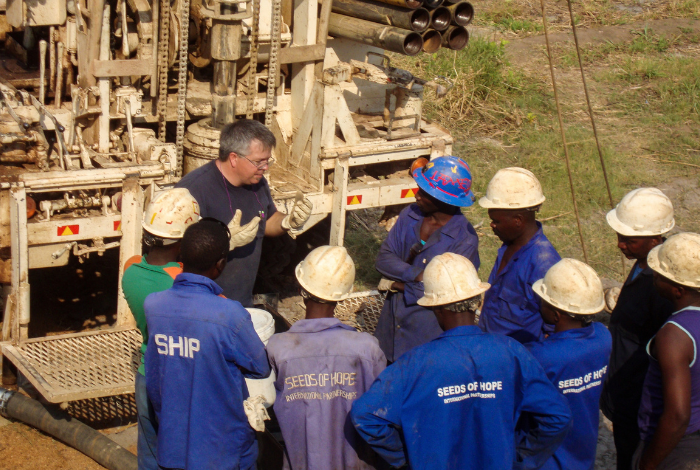
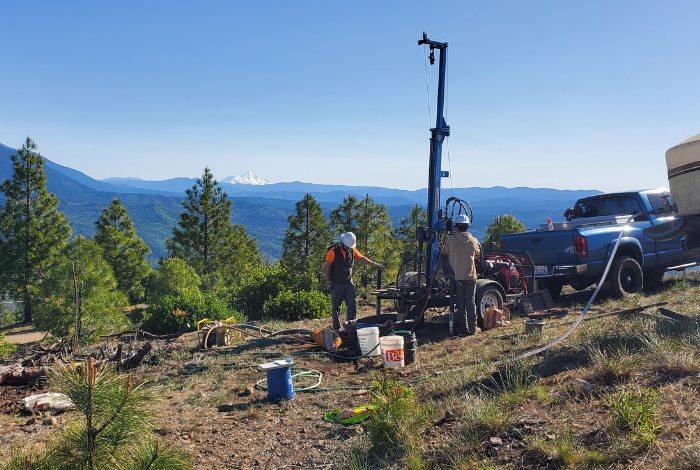
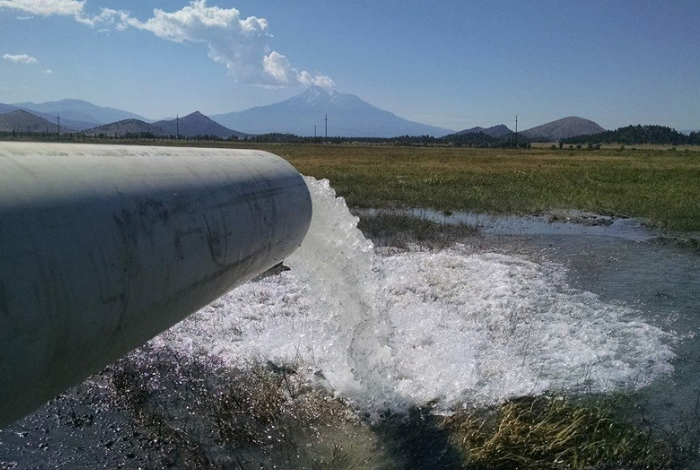
Images of some of our Drilling Projects


Benefits of Well drilling in Cave Junction, Oregon
Cave Junction wells may encounter loose river gravel, large cobbles, clay, weathered formations and hard fractured bedrock. Experience with these changing conditions helps the drilling team adjust casing and construction decisions as the borehole progresses.
Choosing Enloe Drilling & Pumps provides several practical advantages:
- Multigenerational water well drilling experience
- Knowledge of Southern Oregon valley and fractured-rock geology
- Planning informed by nearby Oregon well reports
- Residential, agricultural and commercial drilling capabilities
- Well development, production testing and pump services
- Storage solutions for moderate or seasonal production
- Access planning for wooded and remote properties
- Clear explanations of depth, yield and equipment choices
We do not guarantee a fixed depth or water yield before drilling begins. We evaluate the available records, likely geology and property requirements, then base final construction and pumping decisions on the formations and production encountered.
Your questions answered
FAQ About Water Well Drilling in Cave Junction, Oregon
What is the typical water well depth near Cave Junction?
Aggregated Oregon well records for the 97523 area indicate a median completed depth of approximately 110 feet. Many wells may fall within a broad range of about 60 to 200 feet. Foothill and fractured-rock properties can require depths of 250 to 300 feet or more.
Can I drill a private well inside Cave Junction?
That depends on the parcel, public-water availability and local development requirements. The City of Cave Junction operates a municipal water system within its service area. Confirm whether a connection is available before planning a private well.
Are wells near the Illinois River always shallow?
No. River deposits can contain productive shallow gravel, but their thickness and water-bearing capacity vary. A well may need additional depth to reach a dependable formation, create sufficient water-column storage or avoid relying on a seasonal zone.
Do I need a water right for orchard or field irrigation?
Larger agricultural irrigation uses generally require an Oregon water right. A productive well and a completed well report do not automatically authorise unrestricted irrigation. Confirm the proposed use with the Oregon Water Resources Department before drilling.
How should I prepare a wooded property for a drilling rig?
Provide a stable access route with enough width, height and turning space for heavy equipment. Trim low branches, identify utilities, inspect bridges and culverts, and reinforce soft road sections. The well site should remain accessible for future pump and well service.
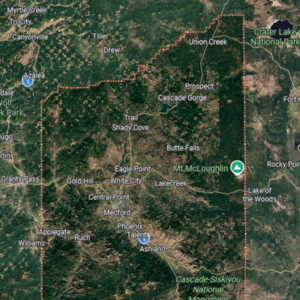
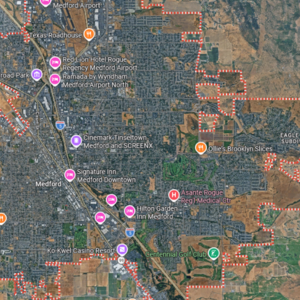
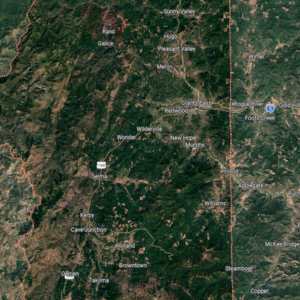
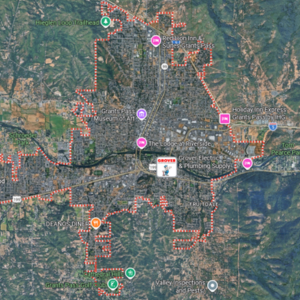
Locations in Oregon we Service
5 Interesting Facts About Cave Junction, Oregon
- Cave Junction is the gateway to the Oregon Caves. The city is the main access point for visitors travelling to Oregon Caves National Monument and Preserve in the nearby Siskiyou Mountains.
- Its name comes from its location at an important crossroads. Cave Junction developed where the Redwood Highway meets the route leading toward the Oregon Caves.
- The nearby caves formed inside marble. Groundwater slowly dissolved ancient marble to create underground passages, chambers, stalactites and other formations.
- Cave Junction lies in the Illinois Valley. The community is surrounded by the Klamath-Siskiyou Mountains and sits near the Illinois River and several mountain-fed tributaries.
- Mining and timber shaped the local economy. Gold mining attracted early settlement to the Illinois Valley, while forestry and timber production later became major sources of employment.
Read Our Latest Blogs

How Often Should a Private Residential Well Be Tested?
A private residential well should generally be tested every year for total coliform bacteria, E. coli, and nitrates. In Southern Oregon, the Oregon Health Authority

What Questions Should I Ask Before Hiring a Well Driller?
Most homeowners think hiring a well driller is as simple as collecting three quotes and choosing the lowest price. After years in the drilling industry,

Is an 80 Foot Well Deep Enough for My Property?
One of the most common questions I hear from homeowners is, “Is an 80-foot well deep enough for my property?” My answer usually surprises them.
Get in Touch
For all your water well drilling and pump needs contact us today
Address
507 Hummingbird Lane, Talent, OR 97540
Enloedrillingandpumps@gmail.com
Call Us
530-964-2807