Best Water Well Drilling Company in Jackson County Oregon
Call us TODAy
✓ Call Your Local Well Drilling Experts
✓ Request a Free Drilling Quote
✓ Plan Your Well With Local Experience
✓ Start Your Water Well Project Today
Water Well Drilling Company
Planning a dependable water well in Jackson County requires a clear understanding of the Rogue Valley’s varied geology. Properties near Medford, Central Point and Eagle Point may encounter layers of clay, sand, gravel and older valley deposits. Hillside properties near Jacksonville, Ashland and the surrounding mountain communities may require drilling through volcanic, sedimentary, granitic or fractured bedrock.
Enloe Drilling & Pumps provides professional water well drilling in Jackson County, Oregon for homeowners, ranchers, farmers and commercial property owners. Our multigenerational team reviews nearby Oregon well reports, expected geological conditions, property access and total water demand before developing a drilling plan.
Properties inside established cities may have access to a municipal water system. Private wells are more common on rural homesites, farms, ranches and undeveloped parcels beyond public water-service boundaries. Before planning a new well, confirm whether public water is available and whether the proposed groundwater use requires an Oregon water right.
Local Geology and Drilling Conditions in Jackson County
Jackson County contains several different geological environments. The Rogue Valley floor contains river sediment, alluvial fans and older valley-fill deposits. The surrounding foothills expose sedimentary and volcanic formations, while harder granitic and metamorphic rocks occur in parts of the county.
These geological differences affect drilling speed, casing requirements, potential well depth and expected production. A productive sand-and-gravel layer beneath a valley property behaves very differently from a narrow groundwater fracture in hillside bedrock.
Rogue Valley Sediments
Properties around Medford, Central Point, Phoenix and portions of Eagle Point may encounter clay, silt, sand, gravel and cobbles deposited by the Rogue River and its tributaries. Coarser sand and gravel layers can transmit useful amounts of groundwater when they are thick and connected to a reliable recharge source.
Fine clay and silt can hold water but release it too slowly to support a productive well. Loose sand and gravel may also require additional casing or carefully selected screens to prevent the borehole from collapsing and sediment from entering the completed well.
Shallow valley groundwater can be influenced by seasonal recharge, irrigation, nearby pumping and surface activity. Correct well siting and sanitary sealing help protect the supply from septic systems, agricultural chemicals and contaminated surface water.
Volcanic and Sedimentary Formations
Central and eastern Jackson County contain volcanic flows, tuff, ash-rich rock and sedimentary formations. Groundwater in volcanic rock commonly moves through fractures, joints and permeable zones between separate flows.
Some tuffaceous formations contain productive interbeds, while other sections may be dense and release very little water. Sedimentary rocks such as sandstone, siltstone, shale and conglomerate can also produce mixed results. A sandstone layer may transmit water, while nearby fine-grained rock may produce slowly.
The location and connection of productive zones matter more than the total thickness of rock drilled. Two nearby properties can therefore have different depths and well yields.
Fractured Rock in the Foothills
Rural properties near Jacksonville, Ashland, Gold Hill and the county’s forested foothills may depend on groundwater stored in faults, joints and weathered bedrock. Productive fractures can provide a dependable residential supply, but they are not distributed evenly.
Drilling may continue through several dry or low-producing sections before reaching a useful fracture. Production may also change seasonally, particularly following dry winters or prolonged drought.
Storage can be valuable where a fractured-rock well produces water steadily but cannot match short periods of heavy household or irrigation demand.
Typical Water Well Depths in Jackson County
Oregon well reports show a wide range of completed depths across Jackson County. An analysis of county well records indicates a median completed depth of approximately 180 feet, but this figure should not be treated as a guaranteed depth for an undrilled property.
Nearby records commonly place Eagle Point-area wells within a broad range of approximately 120 to 300 feet. Records around Medford and Ashland include many wells between approximately 125 and 400 feet. Shallower wells also occur in productive valley deposits, while difficult hillside locations may require drilling beyond 400 feet.
Before developing a Jackson County drilling plan, we consider:
- Oregon Water Resources Department well reports near the property
- Recorded depths, static water levels and reported flow rates
- The property’s elevation, slope and geological setting
- Whether nearby wells draw from sediment or fractured rock
- Seasonal groundwater changes and drought conditions
- The condition and performance of neighbouring wells
- The proposed domestic, agricultural or commercial water use
- Septic systems and possible contamination sources
- Space for pumps, storage tanks and electrical equipment
The correct depth cannot be selected from a county average alone. The objective is to reach a formation that can provide a sustainable supply while allowing safe pump placement and adequate water storage within the well.
Residential and Agricultural Water Requirements
Residential Water Wells in Jackson County
A domestic well must support drinking water, bathrooms, laundry, appliances and outdoor faucets. Rural homes may also require water for gardens, workshops, livestock and emergency fire storage.
Peak demand can place more pressure on the system than the household’s daily average. Several showers, laundry appliances and outdoor watering may operate within the same short period.
A moderate-producing well may still support a household when it is paired with a correctly sized storage tank. The well can refill the tank gradually while a separate pressure pump supplies higher short-term demand.
Benefits of a properly designed residential well system include:
- An independent supply for qualifying rural properties
- A pump matched to the well’s tested recovery rate
- Storage options for moderate-producing wells
- Reduced pump cycling and unnecessary equipment wear
- Water planning for homes, gardens and limited livestock
- Documented construction for future maintenance
- Equipment selected for the property’s elevation and layout
New well water should be tested before regular household use. Clear water can still contain bacteria, nitrate, arsenic, minerals or other substances that cannot be identified by appearance, taste or smell.
Agricultural and Irrigation Wells
Jackson County supports vineyards, orchards, hay production, pasture, livestock and small specialty farms. Each operation has different water requirements.
An agricultural well should be designed around the acreage, crop, irrigation method, livestock numbers and daily pumping schedule. Well diameter, pump capacity, electrical service, storage and distribution infrastructure must work as one system.
Oregon allows certain exempt groundwater uses without a standard water-right permit. Examples can include qualifying domestic use and stock watering. Larger irrigation, commercial or industrial uses generally require approval from the Oregon Water Resources Department.
A productive well does not automatically authorise unrestricted irrigation. Confirm the proposed use before drilling or expanding an agricultural operation.
Access Considerations for Rural Jackson County Properties
Jackson County includes flat valley farms, steep foothill homesites and remote forest properties. A drilling rig and its support vehicles need more width, height and turning room than ordinary passenger vehicles.
Before equipment is mobilised, we assess:
- Driveway width, grade and surface condition
- Sharp corners and space for large vehicles to turn
- Bridge, culvert and cattle-guard weight limits
- Low branches and overhead utility lines
- Soft soil, irrigated fields and unstable road shoulders
- Wildfire damage and hazardous trees
- Space for the drilling rig, casing and support equipment
- Underground utilities and irrigation pipelines
- Separation from septic systems and livestock areas
- Permanent access for future pump and well servicing
Hillside properties may require grading to create a stable drilling pad. Valley access roads may need reinforcement during wet weather. Preparing the site before the crew arrives can prevent delays and additional mobilisation costs.
The wellhead should remain accessible after construction. Pumps may eventually need inspection, repair or replacement, and service equipment must be able to work directly above the well.
Oregon Well Permits and Construction Requirements
Water well construction in Jackson County is regulated primarily by the Oregon Water Resources Department. A licensed and bonded Oregon well constructor normally drills the well, submits the required start card and files a well report after construction.
New wells serving exempt groundwater uses are subject to Oregon’s groundwater-use recording requirements. The well constructor generally submits the required location map and recording fee with the completed well report.
Oregon construction standards address casing, seals, wellhead protection and separation from contamination sources. A water supply well generally cannot be placed within 100 feet of a septic drainfield or sewage-disposal facility unless an approved exception applies.
Septic permitting for residential and small-business properties in Jackson County is administered through the Oregon Department of Environmental Quality’s Medford office. Well and septic locations should be planned together before either system is installed.
The normal process includes:
- Confirming whether public water service is available
- Defining the proposed household, livestock or irrigation use
- Determining whether an Oregon water right is required
- Reviewing nearby well reports and geological conditions
- Selecting a location that meets current setbacks
- Coordinating the well location with the septic plan
- Preparing access and a stable drilling area
- Submitting the required start notification
- Drilling and installing casing and seals
- Developing and testing the completed well
- Selecting the pump, controls and storage system
- Submitting the well report, map and applicable recording fee
Water-right rules, forms and fees can change. Property owners should confirm current requirements with the Oregon Water Resources Department, Oregon DEQ and Jackson County before beginning construction.
Communities We Serve in Jackson County
Our Jackson County water well drilling service includes qualifying properties in and around:
- Medford
- Central Point
- Eagle Point
- White City
- Ashland
- Talent
- Phoenix
- Jacksonville
- Gold Hill
- Rogue River
- Shady Cove
- Trail
- Butte Falls
- Prospect
- Ruch and the Applegate Valley
Illustrative Jackson County Water Well Drilling Scenario
The following example demonstrates how a typical Jackson County project could be planned. It is an illustrative scenario and is not presented as a completed Enloe customer project.
Imagine a family developing a rural property outside Eagle Point. Their plans include a three-bedroom home, a workshop, two horses and a small garden. The parcel is beyond the nearest municipal water system.
Nearby well reports show varied depths and production rates. The proposed well location must also remain clear of the septic drainfield, livestock area and an underground irrigation line.
The first step would be to estimate the combined household, animal and garden demand. Access would then be checked for road width, turning space and the load capacity of a culvert near the property entrance.
Suppose the completed well produces enough water for the home and horses but cannot immediately meet peak summer garden demand. A storage tank could collect water between irrigation cycles. The garden could then be watered in separate zones without drawing the well down too quickly.
This approach matches water use to the well’s tested capacity. It also shows why production, storage, access and pump selection are just as important as total drilling depth.
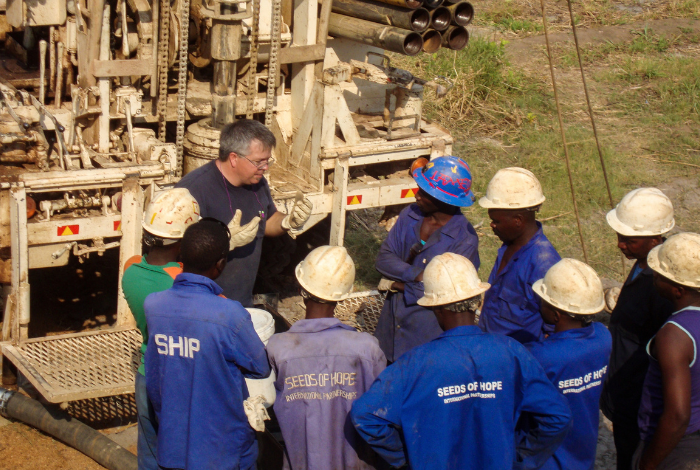
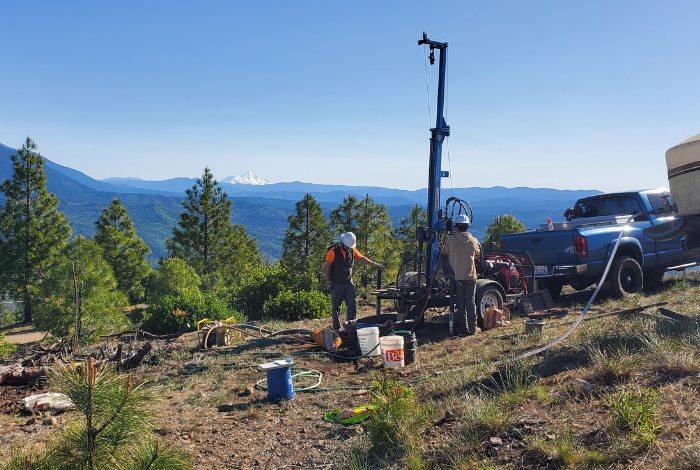
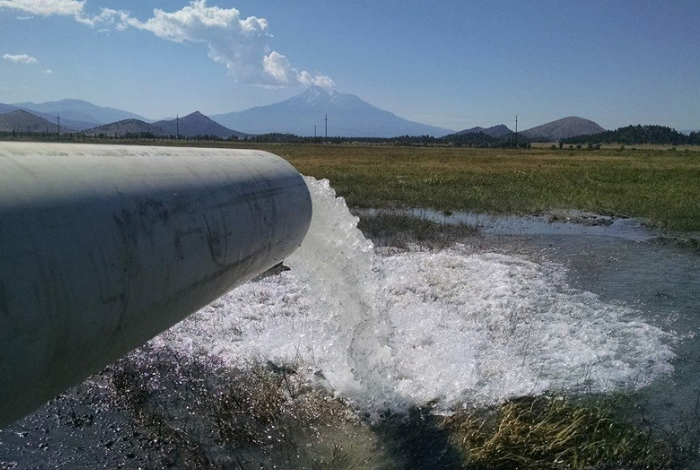
Images of some of our Drilling Projects


Benefits of Well drilling in Jackson County, Oregon
Jackson County wells can range from relatively shallow valley systems to deeper fractured-rock wells in remote foothills. This variation makes local planning and adaptable drilling experience important.
Choosing Enloe Drilling & Pumps provides several practical advantages:
- Multigenerational water well drilling experience
- Knowledge of Southern Oregon valley and fractured-rock conditions
- Planning supported by nearby Oregon well reports
- Residential, agricultural and commercial drilling capabilities
- Well development, production testing and pump services
- Storage solutions for moderate-producing wells
- Practical access planning for farms and hillside properties
- Clear explanations of depth, production and equipment choices
We do not promise a fixed depth or flow rate before drilling begins. We use the available records to prepare for likely conditions and design the final system around the formations and groundwater encountered.
Your questions answered
FAQ About Water Well Drilling in Jackson County, Oregon
What is the typical water well depth in Jackson County?
County well records indicate a median depth of approximately 180 feet. Many wells fall between about 100 and 400 feet, but shallower and deeper wells occur. The property’s geology, elevation and water-bearing formations determine the final depth.
Do I need an Oregon water right for a domestic well?
Qualifying domestic groundwater use of up to 15,000 gallons per day is generally exempt from the standard water-right permitting process. The well must still comply with Oregon construction, reporting and recording requirements. Larger or non-exempt uses may require a water-right permit.
How far must a well be from a septic drainfield?
Oregon rules generally require a water supply well to be at least 100 feet from a septic drainfield or sewage-disposal facility unless an approved exception applies. The well and septic system should be planned together before construction.
Can a moderate-producing well supply a rural home?
Potentially. A well with a steady recovery rate can often support a household when paired with adequate storage and correctly selected pumping equipment. The decision should be based on production testing and the property’s peak demand.
How do I prepare my Jackson County property for drilling?
Provide a stable access route with adequate width, height and turning space. Mark utilities, irrigation lines, septic components and property boundaries. Check bridges, culverts and gates, and prepare a level drilling area before heavy equipment arrives.
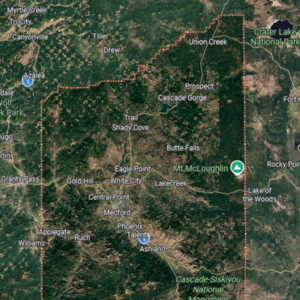
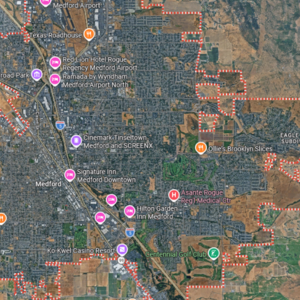
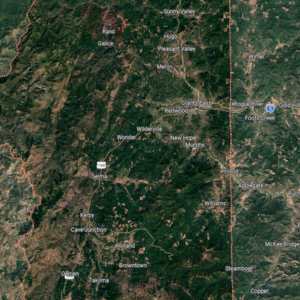
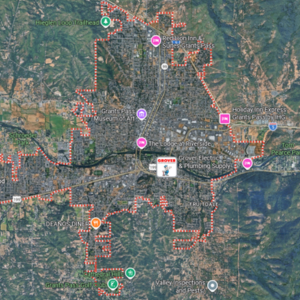
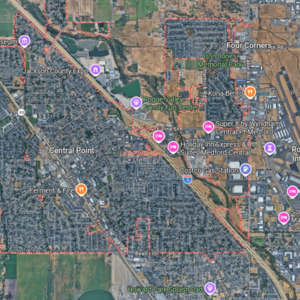
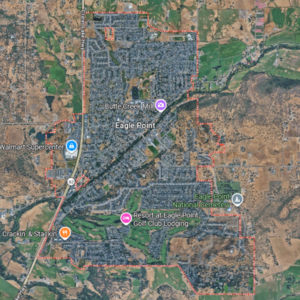
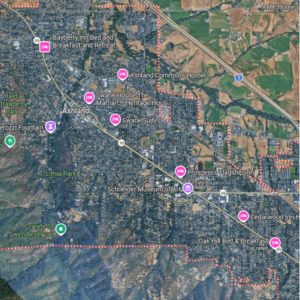
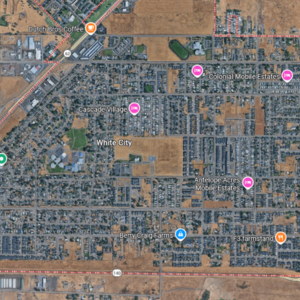
Locations in Oregon we Service
5 Interesting Facts About Jackson County, Oregon
- Jackson County was created in 1852. It was the 12th county established in Oregon and was named after President Andrew Jackson.
- The county covers more than 2,800 square miles. Its landscape includes the Rogue Valley, forested foothills, volcanic formations, mountain communities and productive agricultural land.
- Upper and Lower Table Rock are remnants of an ancient lava flow. The distinctive flat-topped formations rise approximately 800 feet above the Rogue River and provide visible evidence of the region’s volcanic history.
- Jackson County has a major wine industry. The county contains more than 2,000 acres of wine grapes and is associated with over 100 wineries, making viticulture an important part of the local agricultural economy.
- Jackson County combines outdoor recreation with internationally recognised arts. Local attractions include the Rogue River, historic Jacksonville, Mount Ashland, the Britt Music Festival and the Oregon Shakespeare Festival in Ashland.
Read Our Latest Blogs

How Much Does It Cost to Drill a Water Well in Southern Oregon?
If you’re planning to drill a water well, one of the first questions you’ll ask is, “How much is this going to cost?” It’s a
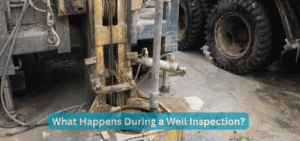
What Happens During a Well Inspection?
A professional well inspection assesses the condition and performance of your water system. Depending on the agreed scope, it can include checks of the visible

What Questions Should I Ask Before Hiring a Well Driller?
Most homeowners think hiring a well driller is as simple as collecting three quotes and choosing the lowest price. After years in the drilling industry,
Get in Touch
For all your water well drilling and pump needs contact us today
Address
507 Hummingbird Lane, Talent, OR 97540
Enloedrillingandpumps@gmail.com
Call Us
530-964-2807