Water Well Drilling Company in Ashland Oregon
Call us TODAy
✓ Call Your Local Well Drilling Experts
✓ Request a Free Drilling Quote
✓ Plan Your Well With Local Experience
✓ Start Your Water Well Project Today
Water Well Drilling Company
Planning a dependable water well near Ashland requires an understanding of the area’s complex geology, steep terrain and seasonal water conditions. Properties may be located on the sediment-filled floor of Bear Creek Valley, beside a seasonal drainage or on fractured rock in the foothills of the Siskiyou Mountains. Conditions can change considerably between Bellview, Valley View, Emigrant Lake and the higher properties south of Ashland.
Enloe Drilling & Pumps provides professional water well drilling in Ashland, Oregon for homeowners, farmers, ranchers and commercial property owners. Our multigenerational team reviews nearby Oregon well reports, expected rock formations, access conditions and total water demand before developing an appropriate drilling plan.
Properties within the City of Ashland are generally supplied by the municipal water system. The city’s primary water source is Ashland Creek, with water collected in Reeder Reservoir. Supplemental supplies are also available through the Talent-Ashland-Phoenix intertie and the Talent Irrigation District.
Local Geology and Drilling Conditions in Ashland
Ashland lies at the southern end of Bear Creek Valley, where the Rogue Valley meets the Siskiyou Mountains. The local geology includes creek deposits, valley sediments, sedimentary formations, metamorphic rock and the granitic formations associated with the Ashland pluton.
Groundwater may be found in gravel layers, weathered rock or fractures within consolidated bedrock. The type and number of water-bearing zones encountered affect drilling speed, completed depth, well production and casing requirements.
Bear Creek Valley Sediments
Lower properties north and east of Ashland may encounter sand, gravel, clay, silt and cobbles deposited by Bear Creek and nearby tributaries. Productive groundwater can occur where coarse gravel or sand is sufficiently thick, saturated and connected to a reliable recharge source.
Fine-grained clay and silt may contain water but release it too slowly to support the required pumping rate. A borehole may pass through several thin layers of damp gravel without encountering a zone capable of supporting a home or agricultural operation.
Loose sand and gravel can also create construction challenges. Depending on the formation, the well may require additional casing, an appropriate screen and careful development to prevent sand from entering the pumping system.
Shallow groundwater beneath agricultural or developed land can be more vulnerable to contamination. Well placement, casing and sanitary sealing are particularly important near septic systems, livestock areas, fertilizers, fuel storage and surface drainage.
Ashland Creek and Hillside Deposits
Properties near Ashland Creek and the lower foothills may contain a mixture of stream deposits, decomposed rock and material carried downhill by erosion. These deposits can vary greatly in thickness across a single parcel.
A shallow water-bearing zone may respond quickly to winter rainfall and mountain snowmelt but decline during Ashland’s dry summer season. A well intended for year-round use must be evaluated for sustainable production rather than temporary wet-season flow.
Steep terrain can also influence groundwater movement. Water may travel along the contact between loose hillside material and solid bedrock. These perched zones can produce water during part of the year but may not offer the reliability required for a permanent household supply.
Granitic and Metamorphic Rock in the Siskiyou Foothills
South and west of Ashland, drilling may enter granitic or granitelike formations associated with the Ashland pluton. Other properties may encounter older metamorphic, volcanic or sedimentary rock within the geologically complex Siskiyou Mountains.
Solid granite and metamorphic rock contain very little open pore space. Groundwater is usually stored and transmitted through fractures, faults, joints and weathered sections of the rock.
The number and connectivity of these fractures can vary over short distances. One well may intersect several productive openings, while another nearby borehole requires deeper drilling to find a dependable supply.
Hard rock can slow drilling and increase the importance of evaluating each water-bearing fracture. The first sign of water does not always provide enough production or storage for the property’s intended use.
Typical Water Well Depths in Ashland
Water well depths around Ashland vary because the 97520 area includes both valley-floor properties and steep mountain terrain. Aggregated Oregon well records indicate a median completed depth of approximately 263 feet.
Many local wells may fall within a broad planning range of approximately 150 to 400 feet. Wells in favourable valley deposits can be shallower, while hillside properties in fractured granitic or metamorphic rock may require drilling beyond 400 feet.
These figures are general planning references. They should not be treated as a quotation, promised depth or guaranteed result. Two wells on adjoining properties can have different depths, static water levels and production rates.
Before developing an Ashland drilling plan, we consider:
- Oregon well reports for nearby properties
- Recorded well depths, water levels and reported yields
- The property’s elevation, slope and terrain
- The thickness of valley or hillside sediments
- The presence of granitic, metamorphic or sedimentary rock
- Known fractures and geological contacts in the area
- Seasonal changes in groundwater recharge
- Nearby domestic and agricultural pumping
- The required household, livestock or irrigation volume
- Septic systems and other possible contamination sources
- Space for storage tanks and pumping equipment
Nearby well reports help establish realistic expectations, but they cannot show exactly where a fracture will be found on an undrilled parcel. Final depth and construction decisions depend on the formations and water production encountered during drilling.
Residential and Agricultural Water Requirements
Residential Water Wells Near Ashland
A residential water system must support more than drinking and cooking. It may also need to supply bathrooms, laundry, appliances, landscaping, gardens, workshops, guest accommodation and emergency fire-water storage.
Rural properties may require additional water for horses, poultry or other animals. These uses should be included when estimating the total daily demand and required peak flow.
A well with moderate production may still serve a household successfully when it is paired with properly sized storage. The well can fill the storage tank gradually, while a separate pressure pump supplies water during periods of heavier use.
Benefits of a properly planned residential well system include:
- An independent supply for qualifying rural properties
- A pump selected according to tested well production
- Storage capacity for seasonal and peak household demand
- Options for homes, gardens and limited livestock
- Reduced pump cycling and equipment wear
- Reserve water for temporary power or fire emergencies
- Accessible equipment for future servicing
New well water should be tested before it is used regularly for drinking or food preparation. Testing may include total coliform bacteria, nitrate, arsenic and other constituents associated with local geology or nearby land uses.
Agricultural and Irrigation Wells Near Ashland
Rural land around Ashland supports vineyards, orchards, pasture, livestock, hay production, market gardens and specialty crops. Agricultural demand can rise sharply during the hot and dry summer months when natural groundwater recharge is limited.
The required pumping rate depends on the acreage, crop type, soil, irrigation method and operating schedule. A vineyard using efficient drip irrigation has different requirements from a pasture supplied by overhead sprinklers.
Oregon exempts certain groundwater uses from the standard water-right permitting process. Qualifying domestic use and stock watering are common examples. Larger irrigation, commercial and industrial uses generally require approval from the Oregon Water Resources Department.
A productive well does not automatically provide legal authority for unrestricted agricultural irrigation. The proposed use and required water rights should be confirmed before drilling or committing to a new crop.
Access Considerations for Rural Ashland Properties
Rural Ashland properties can be difficult to access because of steep driveways, narrow mountain roads, sharp turns and wooded terrain. A drilling rig and its support vehicles need considerably more clearance, turning space and load capacity than a passenger vehicle.
Hillside roads may become soft or unstable after heavy rain or snowmelt. Higher properties can also experience winter snow, fallen trees, wildfire damage and seasonal road restrictions.
Before equipment is mobilised, we assess:
- Driveway width, grade and surface condition
- Sharp corners and available turning space
- Gate openings and overhead clearances
- Bridge, culvert and cattle-guard capacity
- Soft shoulders, erosion and unstable road edges
- Low branches and overhead power lines
- Underground utilities and irrigation pipes
- Space for the rig, support trucks and casing
- Wildfire defensible-space requirements
- Distance from septic systems and property boundaries
- Permanent access for pump and well servicing
Site preparation may include trimming vegetation, widening a gate, improving a road surface or constructing a level drilling pad. Where a steep driveway is involved, the route must provide enough traction and room for heavy vehicles to enter and leave safely.
The completed wellhead should remain accessible after construction. Building a garage, retaining wall or driveway over the service route can make future pump replacement or well maintenance more expensive.
Oregon Well Permits and Construction Requirements
Water well construction near Ashland is regulated primarily by the Oregon Water Resources Department. A licensed and bonded Oregon water well constructor normally performs the work, submits the required start card and files a well report after construction.
Oregon well standards address casing, sanitary seals, wellhead protection and separation from contamination sources. The proposed location must be coordinated with septic tanks, drainfields, replacement drainfields, sewer lines, animal enclosures, fuel tanks and chemical-storage areas.
A water-supply well generally must remain at least 100 feet from a septic drainfield or sewage-disposal facility unless an approved exception applies. Additional separation requirements may apply to septic tanks, sewer lines, buildings and other potential hazards.
Residential septic permitting in Jackson County is administered through the applicable Oregon Department of Environmental Quality process. Planning the well, home and septic system at the same time can prevent setback conflicts on narrow or steep parcels.
The normal process includes:
- Confirming whether Ashland municipal water is available
- Defining the intended domestic, livestock or agricultural use
- Determining whether an Oregon water right is required
- Reviewing nearby well reports and geological conditions
- Selecting a location that satisfies current setbacks
- Coordinating the well site with the septic plan
- Preparing safe access and a stable drilling pad
- Submitting the required start notification
- Installing approved casing and sanitary seals
- Developing and evaluating the completed well
- Selecting the pump, pressure controls and storage system
- Submitting the final well report and recording documents
Well-construction rules, water-right requirements and fees can change. Property owners should confirm current procedures with the Oregon Water Resources Department, Oregon DEQ, Jackson County and the City of Ashland when applicable.
Communities We Serve Near Ashland
Our Ashland water well drilling service includes qualifying properties in and around:
- Ashland
- Bellview
- Valley View
- Talent
- Phoenix
- Wagner Creek
- Emigrant Lake
- Green Springs
- Siskiyou Summit
- Colestin Valley
- Neil Creek
- Dead Indian Memorial Road
- Rural properties near Highway 66
- Foothill properties south and west of Ashland
Illustrative Ashland Water Well Drilling Scenario
The following example demonstrates how a typical Ashland-area project could be approached. It is an illustrative scenario and is not presented as a completed Enloe customer project.
Imagine a couple developing a hillside parcel near Emigrant Lake. Their plans include a three-bedroom home, a small vineyard, a vegetable garden and water for two horses. The property lies outside Ashland’s municipal water-service boundary.
Nearby well reports show considerable variation in depth and production. Some wells encounter water in weathered formations, while others extend deeper into fractured bedrock. The planned well location must also remain clear of the septic drainfield, horse enclosure and steep drainage channel.
The first step would be to calculate domestic, livestock and vineyard demand. The narrow access road would then be evaluated for grade, turning space, overhead branches and the capacity of a small culvert near the property entrance.
If the completed well produced a sustainable household supply but could not meet the vineyard’s full peak demand directly, a storage tank could collect water between irrigation periods. Drip irrigation could then be divided into separate zones and operated at scheduled times.
This design would protect the well from excessive pumping while supporting the property’s most important water needs. It shows why sustainable production, storage, pump selection and efficient irrigation are as important as the final drilling depth.
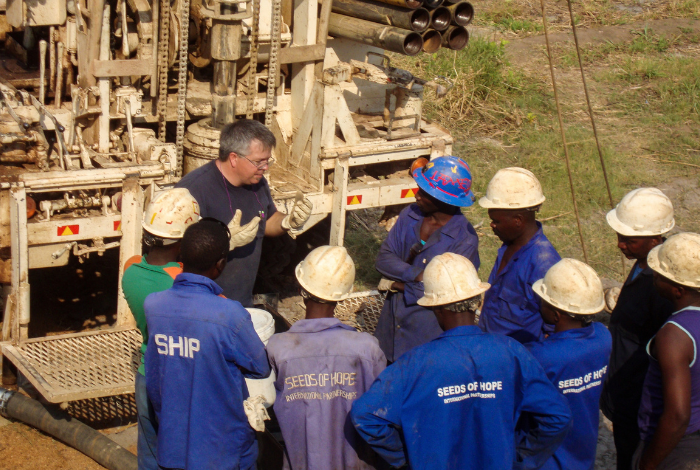
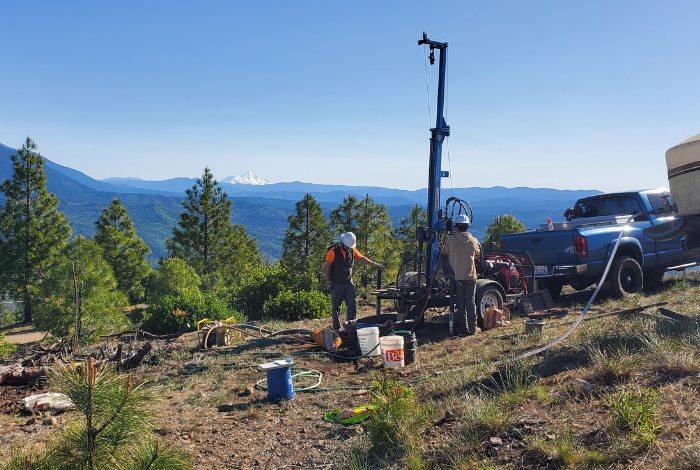
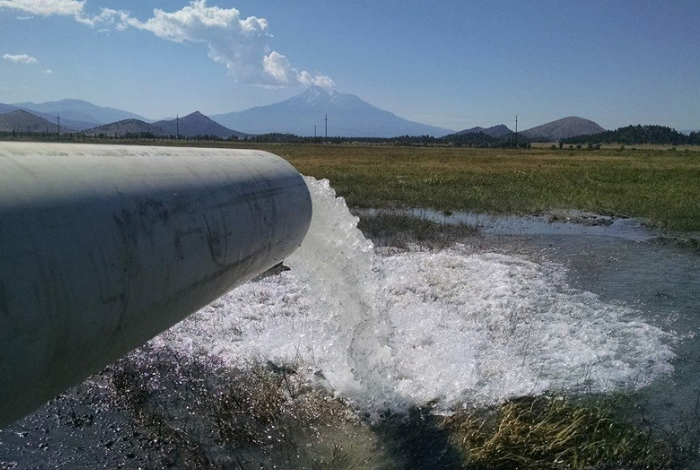
Images of some of our Drilling Projects


Benefits of Well drilling in Ashland, Oregon
Ashland drilling projects may encounter loose valley sediment, decomposed granite, hard intrusive rock and unpredictable bedrock fractures. Experience with these changing formations helps the drilling team adjust casing, depth and construction decisions as actual conditions become known.
Choosing Enloe Drilling & Pumps provides several practical advantages:
- Multigenerational water well drilling experience
- Knowledge of Southern Oregon valley and mountain geology
- Planning informed by nearby Oregon well reports
- Residential, agricultural and commercial drilling capabilities
- Well development, production testing and pump services
- Storage solutions for moderate-producing wells
- Access planning for steep and wooded properties
- Clear explanations of depth, flow and equipment choices
We do not guarantee a fixed depth or water yield before drilling begins. We use available well records, geological information and property details to prepare for likely conditions. The final well and pumping system are based on the formations and production encountered.
Your questions answered
FAQ About Water Well Drilling in Ashland, Oregon
What is the typical water well depth near Ashland?
Aggregated well records for the 97520 area indicate a median completed depth of approximately 263 feet. Many wells may fall within a broad planning range of about 150 to 400 feet. Some fractured-rock properties require deeper drilling, while favourable valley locations may be shallower.
Can I drill a private well inside the City of Ashland?
That depends on the property, municipal water availability and local development requirements. Most developed properties within the city are served by Ashland’s municipal system. Confirm water-service availability and city requirements before planning a private well.
Are Ashland hillside wells more difficult to drill?
They can be. Hillside properties may involve hard granitic or metamorphic rock, irregular fractures and challenging equipment access. Steep roads, limited turning space and the need for a level drilling pad can also affect project preparation.
Do I need a water right to irrigate a vineyard near Ashland?
Larger irrigation uses generally require an Oregon water right. A well report confirms how the well was constructed, but it does not automatically authorise agricultural irrigation. Confirm the proposed use with the Oregon Water Resources Department before drilling.
How should I prepare a mountain property for a drilling rig?
Provide a stable access road with adequate width, height, traction and turning space. Remove low branches, identify underground utilities, inspect culverts and prepare a level operating area. The well site should also remain accessible for future pump installation and maintenance.
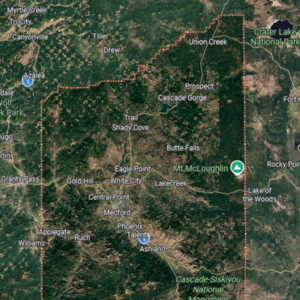
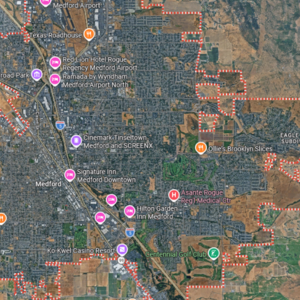
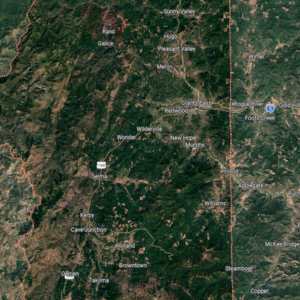
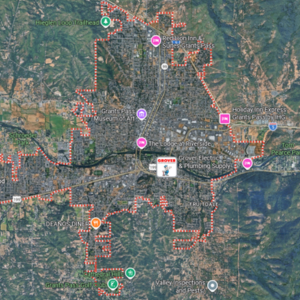
Locations in Oregon we Service
5 Interesting Facts About Ashland, Oregon
- Ashland hosts the Oregon Shakespeare Festival. Established in 1935, the festival has grown into one of the best-known regional theatre companies in the United States.
- Lithia Park covers approximately 100 acres. The park begins near Ashland’s downtown plaza and follows Ashland Creek into a landscape of gardens, walking paths, ponds and wooded areas.
- You can taste natural mineral water downtown. Ashland’s public Lithia water fountains dispense naturally mineral-rich water known for its strong and unusual flavour.
- Mount Ashland rises to 7,532 feet. Located south of the city, it is the highest mountain in Oregon west of the Cascade Range’s main volcanic peaks and is home to a popular ski area.
- Ashland is home to Southern Oregon University. Founded in 1872, the university has helped shape the city’s strong reputation for education, arts, culture and live performance.
Read Our Latest Blogs

What Are the Signs That a Well Pump Is Failing and Needs to Be Replaced?
A failing well pump rarely stops working without warning. In most cases, the system gives you several clues first. You may notice fluctuating water pressure,

Do I Need a Permit to Drill a Water Well?
You need to check the applicable well-construction requirements before drilling a water well. In Northern California, you must obtain a well permit from the local
What Happens During a Well Inspection?
A professional well inspection assesses the condition and performance of your water system. Depending on the agreed scope, it can include checks of the visible
Get in Touch
For all your water well drilling and pump needs contact us today
Address
507 Hummingbird Lane, Talent, OR 97540
Enloedrillingandpumps@gmail.com
Call Us
530-964-2807