
Water Well Drilling in Weed, CA
Call us TODAy
✓ Call Your Local Well Drilling Experts
✓ Request a Free Drilling Quote
✓ Plan Your Well With Local Experience
✓ Start Your Water Well Project Today
Water Well Drilling
Planning a reliable water well in Weed requires a careful look at local volcanic geology, nearby well records and the amount of water your property will use. Weed sits on the northwestern side of Mount Shasta, where lava flows, volcanic debris, fractured rock and valley sediments create changing groundwater conditions. A well near central Weed may encounter very different formations from a property near Edgewood, Carrick, Black Butte or Lake Shastina.
Enloe Drilling & Pumps provides professional water well drilling in Weed, CA for homeowners, ranchers, small farms, commercial properties and rural landowners. Our multigenerational team combines local drilling experience with well completion records, site conditions, access requirements and your long-term water needs.
Local Geology and Drilling Conditions in Weed
Weed’s groundwater system reflects its position between Mount Shasta and the southern Shasta Valley. The area contains young and older lava flows, fractured volcanic rock, pyroclastic deposits, debris-flow material, glacial sediments and valley-fill deposits. These formations differ in hardness, stability and ability to carry water.
Lava Flows and Fractured Volcanic Rock
Volcanic activity has left extensive lava deposits around Weed. A prominent blocky lava flow can be seen along Highway 97 between Weed and Yellow Butte. Beneath the surface, fractures, cooling joints and spaces between individual lava flows can provide pathways for groundwater.
These openings can produce useful water when they are connected to a larger recharge system. Solid sections of lava may provide very little until drilling reaches a fracture or contact between different flows. This can cause two nearby wells to have different depths and production rates.
Pyroclastic and Debris-Flow Deposits
The ground between Weed and Mount Shasta includes material produced by past volcanic events at Shastina and Black Butte. Drilling may encounter ash, sand, rock fragments, compacted volcanic debris and large boulders.
Mixed formations can present practical drilling challenges. Loose material may require casing to prevent the borehole from collapsing, while dense volcanic rock can slow progress. Fine volcanic deposits may restrict water movement, while coarser layers can store or transmit groundwater more effectively.
Valley Sediments Toward Edgewood and Lake Shastina
Properties north and east of Weed may transition into older alluvial, glacial and valley-fill deposits. These materials can include layers of clay, silt, sand, gravel and volcanic fragments carried from the surrounding slopes.
Sand and gravel can form productive water-bearing zones, but they are not evenly distributed. The well must also be cased and sealed correctly to prevent unstable material or contaminated surface water from entering the finished system.
Typical Water Well Depths in Weed
Nearby well records help establish realistic expectations, but they cannot determine the exact depth of a future well. Local geology can change across a single property, especially where lava flows, volcanic debris and valley sediments overlap.
Available groundwater data for the Weed hydrologic subarea includes approximately 470 domestic wells. These wells have an average recorded depth of about 154 feet and a median depth of approximately 139 feet. Recorded domestic depths range from roughly 32 feet to 500 feet.
The same dataset includes a smaller group of irrigation wells with an average depth of approximately 165 feet and a median of about 145 feet. Because the irrigation sample is much smaller than the domestic dataset, these figures should be used only as a general reference.
Some Weed properties may find suitable groundwater at less than 100 feet. Others may require drilling beyond 200 or 300 feet to reach productive fractures, establish a stronger water column or obtain a supply suited to the proposed demand. A nearby 140-foot well does not guarantee that the next property will produce water at the same depth.
Before developing a drilling plan, we consider:
- California well completion reports near the property
- Recorded depths, static water levels and reported yields
- The property’s location in relation to Mount Shasta and the valley
- Known lava flows, volcanic deposits and sedimentary layers
- Seasonal groundwater changes and recent drought conditions
- Nearby domestic, livestock and irrigation pumping
- The owner’s required daily volume and peak flow
- Available space for the well, pump equipment and storage
The first sign of water does not always mark the correct stopping point. The goal is to construct a well that offers practical production, adequate available water and a suitable foundation for the pumping system.
Residential and Agricultural Water Requirements
Residential Water Wells in Weed
A residential well must support the complete property, not only its drinking-water needs. Bathrooms, laundry, kitchen appliances, outdoor faucets, landscaping, guest accommodation and limited livestock use can all draw water during the same day.
Peak demand is especially important. A well may recover steadily but still struggle when showers, laundry and outdoor watering happen at once. In suitable situations, a storage tank can collect water between busy periods and allow the pressure system to meet short-term demand.
The advantages of a properly planned residential well include:
- A private water source for rural or undeveloped land
- A pump selected according to actual well performance
- Storage options for moderate-producing wells
- Water planning for household and outdoor requirements
- Construction records for future service and property sales
- Equipment placement that accounts for freezing temperatures
Water from a new well should be tested before regular household use. Clear water can still contain bacteria, nitrate, minerals or naturally occurring substances. Testing helps identify whether treatment is required and provides a baseline for future comparisons.
Ranch, Livestock and Agricultural Wells
The rural areas around Weed include horse properties, livestock operations, pasture, gardens, greenhouses and other agricultural uses. Each activity requires a different pumping rate and total volume.
A domestic well supplying a home and several animals may work effectively with storage. Irrigation or larger livestock operations can require sustained pumping for several hours. These differences affect the target production, casing diameter, pump size, electrical supply and storage system.
Before drilling an agricultural well, the owner should estimate the required gallons per minute, daily consumption and seasonal schedule. Water rights, groundwater rules and land-use restrictions may also apply. Receiving approval to construct a well does not automatically authorise unrestricted agricultural pumping.
Access Considerations for Rural Weed Properties
Rural properties around Weed may have gravel roads, narrow gates, soft ground, steep approaches or limited turning space. Seasonal snow, wildfire damage and strong local winds can create additional challenges for drilling equipment and support vehicles.
Before mobilizing the rig, we assess:
- The width, grade and surface of the access road
- Gate openings, sharp corners and available turning space
- Low branches, overhead lines and other height restrictions
- Bridge, culvert and cattle-guard weight capacity
- Snow, ice, mud and seasonal road closures
- Wildfire damage, ash and unstable disturbed ground
- Space for the rig, casing and support vehicles
- Permanent access for pump replacement and well maintenance
A stable working pad may need to be graded before the drilling crew arrives. Vegetation may also need to be cleared to provide safe overhead and side clearance. Completing access improvements early can reduce delays and prevent repeat mobilization costs.
The wellhead should remain accessible after the home, fence, driveway and landscaping are complete. Future pump service requires enough clear space for equipment to work directly above and around the well.
California Well Permits and Construction Requirements
Siskiyou County reviews, permits and inspects domestic, agricultural, monitoring and exploratory wells in the Weed area. A permit is generally required before a new well is drilled or an existing well is deepened, altered, repaired or properly destroyed.
The proposed location must meet applicable separation requirements. County review may consider septic tanks, leach fields, sewer lines, livestock enclosures, fuel storage, drainage channels, property boundaries and other possible contamination sources.
Well construction must follow California standards and current Siskiyou County requirements. These rules cover matters such as casing, approved materials, sanitary seals, surface drainage and protection of the completed wellhead.
The work must be completed by a contractor holding the appropriate California licence. Current Siskiyou County permit conditions also require the driller to provide at least 24 hours’ notice before the annular seal is installed or placed so the necessary inspection can be arranged.
The normal process includes:
- Reviewing the property and its proposed water use
- Examining nearby well records and local drilling conditions
- Selecting a site that meets the required setbacks
- Submitting the county water well permit application
- Preparing the road and drilling location
- Drilling, casing and sealing the well correctly
- Developing and testing the completed well
- Choosing the pump and storage system from measured results
- Submitting the required well completion documentation
Application forms, permit fees and inspection procedures can change. Property owners should confirm the current requirements with Siskiyou County Environmental Health before scheduling work.
Communities We Serve Near Weed
Our Weed water well drilling service covers rural properties and communities around:
- Weed
- Carrick
- Edgewood
- Lake Shastina
- Hammond Ranch
- Black Butte
- Mount Shasta
- Gazelle
- Grenada
- Properties along the Highway 97 corridor
Illustrative Weed Water Well Drilling Scenario
The following example shows how a typical Weed-area project might be planned. It is an illustrative scenario and is not presented as a completed Enloe customer project.
Imagine a landowner developing a rural parcel northeast of Weed. The plan includes a three-bedroom home, a workshop, two horses and a small orchard. Nearby records include domestic wells at different depths because the surrounding properties cross volcanic rock and changing valley deposits.
Before drilling, we would examine the most relevant well completion reports, estimate total water demand and identify possible well locations that satisfy septic setbacks. The driveway and gate would also be inspected to confirm that the drilling rig can enter, turn and work on stable ground.
If drilling produced a steady residential supply that could not meet every short period of high demand, the system might use storage to supply the home, horses and orchard during busy periods. Pump size would be based on the tested well performance rather than an estimate made before drilling.
This approach considers the complete water system. Sustainable production, storage, pressure, electrical capacity, frost protection and future service access all affect the property’s long-term water reliability.
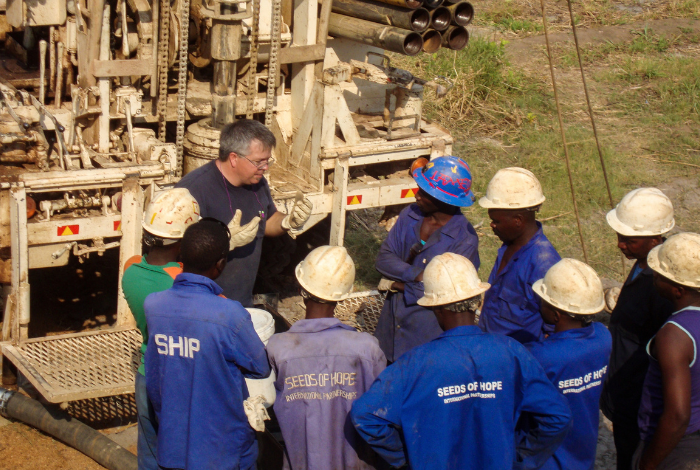
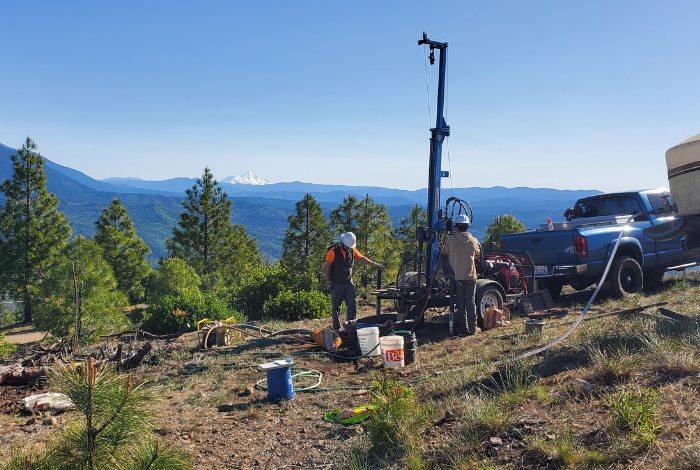
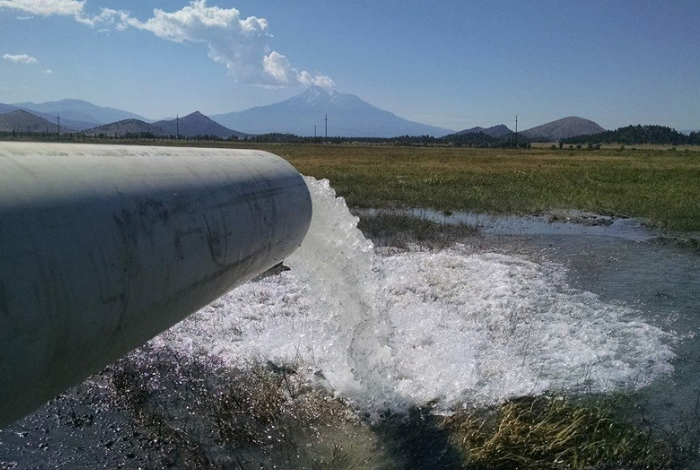
Images of some of our Drilling Projects


Benefits of Well drilling in Weed, CA
Your well may supply the property for decades. Correct planning can improve reliability, protect water quality and make future pump maintenance easier. Weed’s volcanic geology and seasonal conditions make local drilling experience particularly valuable.
Choosing Enloe Drilling & Pumps provides several practical advantages:
- Multigenerational water well drilling experience
- Familiarity with Weed-area volcanic formations
- Planning supported by nearby well completion records
- Residential, ranch, agricultural and commercial services
- Well drilling, performance testing and pump services
- Clear explanations of depth, yield and storage options
- Preparation for remote access and seasonal weather
We do not promise that every property will reach water at the local median depth. We prepare for likely formations using available records and then respond to the ground conditions encountered during drilling.
Your questions answered
FAQ About Water Well Drilling in Weed, CA
What is the typical water well depth in Weed?
Groundwater data for the Weed hydrologic subarea shows an average domestic well depth of approximately 154 feet and a median of about 139 feet. Recorded domestic wells range from roughly 32 feet to 500 feet. Your actual depth will depend on the geology and groundwater encountered on your property.
Does the volcanic ground around Weed contain groundwater?
Yes, volcanic formations can store and transmit groundwater through fractures, cooling joints and spaces between lava flows. Production is not uniform. A solid lava section may yield little water until the borehole reaches a connected fracture or permeable contact.
Is a permit required to drill a well in Weed?
Yes. Siskiyou County generally requires a permit before drilling a new water well. Approval may also be required when deepening, altering or destroying an existing well. The proposed site must comply with current setback and construction requirements.
Can one well supply a home, horses and an orchard?
Possibly, but all three uses must be included in the water-demand calculation. The tested well yield, daily consumption, seasonal irrigation, pump capacity and available storage should be evaluated before the final system is installed.
What should I do before the drilling crew arrives?
Prepare a stable access road and working area with enough width, height and turning space for large equipment. Mark utilities, septic areas and property boundaries. Check gates, culverts and overhead branches, and tell the drilling company about snow, mud or wildfire-related access problems.
Locations in California we Service
Interesting Facts about Weed, CA
- Weed was named after a person, not the plant. The community was named for timber entrepreneur Abner Weed, who purchased a local sawmill and approximately 280 acres in 1897.
- Local winds helped establish Weed’s lumber industry. Abner Weed recognized that the area’s strong, consistent winds could help dry freshly cut lumber, making it an advantageous location for a sawmill.
- Weed once had one of the world’s largest sawmills. The community developed as a company town, and by the 1940s its lumber operation was described as the largest sawmill in the world.
- The city sits on volcanic deposits from Mount Shasta. Ancient pyroclastic flows from Shastina, one of Mount Shasta’s volcanic cones, covered the area where Weed and Mount Shasta City are located today.
- Volcanic geology influences Weed’s groundwater. Water can move through fractures, porous areas between lava flows and underground lava tubes. Snowmelt and precipitation help recharge these volcanic groundwater systems.
Read Our Latest Blogs

How Often Should a Private Residential Well Be Tested?
A private residential well should generally be tested every year for total coliform bacteria, E. coli, and nitrates. In Southern Oregon, the Oregon Health Authority
Can You Have a Well in an Urban Area?
Yes, you can have a water well in some urban areas, but approval depends on local regulations, your intended water use, groundwater conditions, and the

What Questions Should I Ask Before Hiring a Well Driller?
Most homeowners think hiring a well driller is as simple as collecting three quotes and choosing the lowest price. After years in the drilling industry,
Get in Touch
For all your water well drilling and pump needs contact us today
Address
2301 S Mt Shasta Blv, Mt Shasta CA 96067
Enloedrillingandpumps@gmail.com
Call Us
541-841-4124