#1 Water Well Drilling Company in Montague ,CA
Call us TODAy
✓ Call Your Local Well Drilling Experts
✓ Request a Free Drilling Quote
✓ Plan Your Well With Local Experience
✓ Start Your Water Well Project Today
Water Well Drilling Company
Planning a water well in Montague requires a clear understanding of Shasta Valley groundwater, local farming demands and the geological conditions beneath your property. Montague is surrounded by open rangeland, agricultural parcels and volcanic terrain. Depending on the location, drilling may pass through clay, sand, gravel, volcanic sediment or hard basalt before reaching a productive water-bearing formation.
Enloe Drilling & Pumps provides professional water well drilling in Montague, CA for rural homeowners, ranchers, farmers and commercial property owners. Our multigenerational team uses nearby well records, local drilling knowledge, site access and your expected water consumption to develop a practical plan for the property.
Properties inside Montague may have access to the city water system, while farms, ranches and undeveloped parcels beyond the service boundary may rely on private wells. Before planning a new well, you should confirm whether municipal service is available and whether a private groundwater source can be approved.
Local Geology and Drilling Conditions in Montague
Montague is located in the central Shasta Valley, where groundwater occurs in a mixture of volcanic formations and sedimentary deposits. These materials were shaped by volcanic activity, erosion, ancient streams and sediment carried from the surrounding mountains.
The result is an underground system that can change considerably across a relatively short distance. A productive sand-and-gravel layer beneath one ranch may become thinner or disappear beneath a neighboring parcel. Basalt can also contain high-producing fractures in one location and dense, relatively dry rock nearby.
Valley-Fill Sand, Gravel and Clay
Many parts of the valley contain layers of sediment deposited over long periods. Drilling may encounter topsoil, clay, silt, sand, gravel and weathered volcanic fragments. Coarser deposits can store and transmit groundwater when they are connected to a reliable recharge source.
Clay and fine silt generally allow water to move more slowly. Thick clay layers may separate shallow groundwater from deeper formations. These layers can help protect deeper water, but they can also make it necessary to drill farther before reaching a productive aquifer.
Loose sand and gravel require careful well construction. The casing, screen and gravel pack must be selected for the formation so that water can enter the well without continuously carrying sand into the pump and plumbing system.
Basalt and Volcanic Rock
Volcanic rock is widespread throughout the Shasta Valley. Groundwater in basalt commonly travels through fractures, cooling joints, lava tubes and openings between separate lava flows. When these features are well connected, they may support useful domestic or agricultural production.
Solid basalt does not hold water evenly. Drilling may continue through hard rock with limited groundwater before reaching a fracture that produces a noticeable flow. This is one reason nearby wells can have different depths and yields even when their surface locations appear similar.
Hard rock can also slow drilling and affect the final cost of construction. Local records help identify expected formations, but the actual conditions only become known as the borehole advances.
Groundwater Movement Through the Shasta Valley
Groundwater generally moves from higher ground toward the lower central portions of the valley and the Shasta River system. Recharge can come from rainfall, snowmelt, streams, irrigation and water moving through volcanic formations connected to the slopes around Mount Shasta.
Seasonal pumping can influence local water levels, particularly where several agricultural wells operate during the dry summer months. A well should therefore be evaluated for sustainable recovery rather than judged only by the flow observed when water is first encountered.
Typical Water Well Depths in Montague
Water well depths around Montague vary because the area contains several different aquifer types. Some wells obtain water from relatively shallow valley sediments. Others extend deeper to reach coarse gravel, fractured basalt or more dependable water-bearing formations.
For initial planning, domestic wells in the greater Montague and Shasta Valley area may fall within a broad range of approximately 100 to 300 feet. Shallower wells are present in favorable sedimentary locations, while wells exceeding 300 feet may be required where productive layers are deeper or where the owner needs a larger available water column.
Agricultural wells cannot be planned according to depth alone. An irrigation well may need a larger diameter, different screen design and significantly greater sustained production than a household well. A shallow, high-producing basalt or gravel zone may be more useful than a deeper formation with limited recovery.
These depth ranges are general references and not guarantees. The final depth depends on the geology, water entries, static water level and production found on the individual property.
Before developing a Montague drilling plan, we consider:
- California well completion reports from nearby properties
- Recorded well depths, water levels and reported production
- The parcel’s position within the Shasta Valley
- Known areas of basalt, alluvium and lakebed sediment
- Seasonal changes in nearby groundwater levels
- Domestic, livestock and agricultural pumping in the area
- The amount of water required each day
- Available space for storage and pumping equipment
The first water encountered may not provide the volume or reliability the property needs. Drilling decisions should consider the full water column, sustainable recovery and the intended use of the completed well.
Residential and Agricultural Water Requirements
Residential Water Wells in Montague
A residential well must provide enough water for drinking, bathing, toilets, laundry, appliances and outdoor faucets. Rural homes may also need water for gardens, workshops, guest units and a limited number of animals.
Daily household volume is only part of the calculation. The system must also handle peak periods when several fixtures operate at the same time. A well may provide sufficient water over 24 hours but still struggle to supply simultaneous showers, laundry and outdoor watering without storage.
A correctly sized storage tank can allow a moderate-producing well to recover at a steady rate. A separate pressure pump then supplies the home during busier periods without forcing the well pump to cycle excessively.
Benefits of a properly designed residential well system include:
- An independent water source for qualifying rural parcels
- A pumping system based on measured well performance
- Storage options for wells with moderate recovery
- Water planning for household and outdoor requirements
- Greater control over maintenance and equipment replacement
- Documented well construction for future servicing
- Protection of exposed equipment during freezing weather
Water from a new well should be tested before it becomes the regular household supply. Laboratory testing can identify bacteria, nitrate, minerals and naturally occurring substances that cannot be detected by taste, smell or appearance.
Agricultural and Ranch Wells in Montague
Agriculture is an important part of the Montague area. Rural properties may require water for cattle, horses, hay fields, pasture, greenhouses, orchards or crop irrigation. These uses can require substantially more water than a typical home.
Livestock planning should account for herd size, animal type, summer temperatures and the distance between watering points. Irrigation planning should include the planted acreage, soil type, crop demand and number of hours the well must pump each day.
Storage can reduce peak demand for livestock and smaller irrigation projects. Large field-irrigation systems normally require sustained production, an appropriate well diameter and a pump capable of operating efficiently for extended periods.
The Shasta Valley is managed under California’s Sustainable Groundwater Management Act and a local Groundwater Sustainability Plan. New production wells may require additional review. Receiving a construction permit does not guarantee approval for every proposed volume or use of groundwater.
Access Considerations for Rural Montague Properties
Many properties outside Montague are reached by long gravel roads, farm tracks, narrow gates or seasonal crossings. A drilling rig and its support vehicles are significantly larger and heavier than ordinary farm vehicles.
Dry summer conditions can create dust and wildfire concerns. Winter and spring weather may leave unpaved roads muddy or too soft to support drilling equipment. Planning access before mobilisation reduces the risk of delays, damaged roads and additional equipment costs.
Before bringing a drilling rig to the property, we assess:
- Road width, slope and load-bearing condition
- Gate openings and space for large vehicles to turn
- Overhead power lines, tree limbs and irrigation equipment
- Culvert, cattle-guard and private bridge capacities
- Soft soil, mud, snow and seasonal drainage
- Fences, livestock areas and active farming operations
- Space for casing, support vehicles and drilling materials
- Distance from septic systems and contamination sources
- Permanent access for future pump and well service
The drilling site may require grading or compaction before the crew arrives. Livestock should be moved away from the work zone, and irrigation lines, buried utilities and underground tanks should be clearly identified.
The finished wellhead must remain accessible. Buildings, corrals, sheds and permanent fencing should not prevent service equipment from positioning directly over the well when the pump eventually needs inspection or replacement.
California Well Permits and Construction Requirements
Siskiyou County Environmental Health administers water well permits for properties in and around Montague. A permit is generally required before constructing a new well or deepening, altering, repairing or properly destroying an existing well.
Properties within the Montague city limits should first confirm whether city water service is available. The city’s public system uses surface-water sources associated with Lake Shastina and the Little Shasta River. Municipal availability may influence whether a private well is necessary or permitted.
The proposed well site must comply with current separation requirements. County review can include septic tanks, disposal fields, sewer lines, animal enclosures, manure storage, fuel tanks, drainage channels and other potential sources of contamination.
Well construction must comply with applicable California standards and Siskiyou County rules. These requirements address casing, well screens, annular seals, approved construction materials, surface drainage and protection of underground water-bearing zones.
The work must be performed by a properly licensed California contractor. Inspection or advance notice may be required before sealing is completed. The appropriate well completion report must also be filed after construction.
The normal process includes:
- Confirming whether municipal water is available
- Identifying the proposed domestic or agricultural use
- Reviewing nearby well completion records
- Selecting a location that meets current setbacks
- Submitting the Siskiyou County permit application
- Completing any required groundwater review
- Preparing the road and drilling location
- Drilling, casing and sealing the well
- Developing and testing well production
- Selecting the pump and storage system
- Submitting the required completion documentation
Permit forms, application fees and groundwater review procedures can change. Confirm current requirements with Siskiyou County Environmental Health and the City of Montague before scheduling construction.
Communities We Serve Near Montague
Our Montague water well drilling service includes rural properties in and around:
- Montague
- Big Springs
- Grenada
- Yreka
- Hornbrook
- Little Shasta
- Gazelle
- Lake Shastina
- Edgewood
- Ager
- Rural properties along Highway 3
- Farms and ranches throughout the central Shasta Valley
Illustrative Montague Water Well Drilling Scenario
The following example shows how a typical Montague-area project could be planned. It is an illustrative scenario and is not presented as a completed Enloe customer project.
Imagine a family purchasing a 20-acre parcel outside Montague. They plan to build a three-bedroom home, keep ten cattle and irrigate a large vegetable garden. The property is outside the city water-service area, and nearby well records show a mixture of sediment and basalt wells completed at different depths.
We would begin by calculating the household, livestock and seasonal irrigation demand. Nearby completion reports would help identify possible depth ranges and groundwater conditions, but they would not determine the final result.
The proposed well location would need to satisfy septic setbacks while remaining accessible to the drilling rig. A narrow gate and soft section of farm road might need to be widened and reinforced before heavy equipment arrives.
Suppose drilling reaches a water-bearing formation that provides a dependable domestic and livestock supply but cannot meet the garden’s full peak demand directly. A storage tank could collect water between irrigation periods. The family could then irrigate in planned zones without operating the well beyond its tested recovery rate.
This solution would balance the property’s water requirements with the actual performance of the well. It demonstrates why pump size, storage, irrigation scheduling and long-term recovery are just as important as total drilling depth.
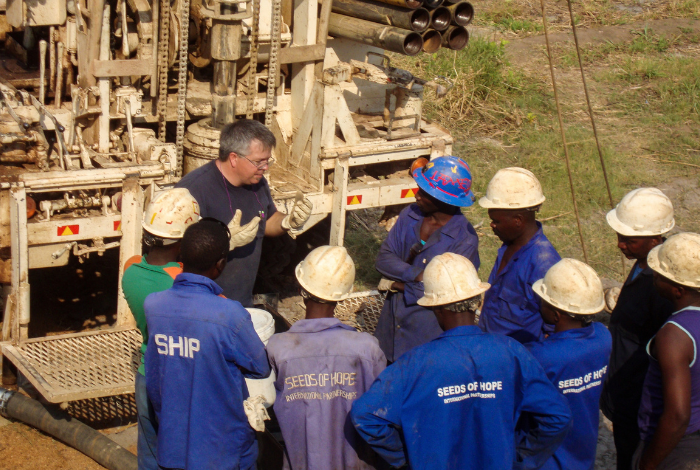
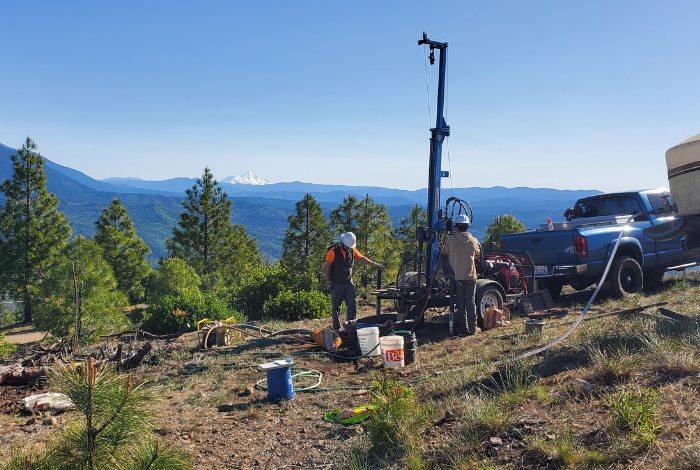
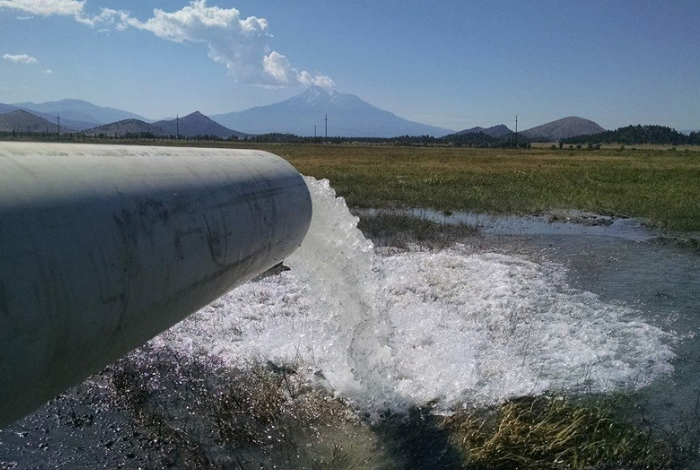
Images of some of our Drilling Projects


Benefits of Well drilling in Montague, CA
A well should be designed for the property it serves. Montague’s mixture of valley sediment, fractured basalt and high agricultural demand makes local planning especially important.
Choosing Enloe Drilling & Pumps provides several practical advantages:
- Multigenerational drilling and pump experience
- Familiarity with Shasta Valley groundwater conditions
- Planning supported by nearby completion reports
- Domestic, ranch, agricultural and commercial capabilities
- Well drilling, production testing and pump services
- Storage options for moderate-producing domestic wells
- Practical access planning for farms and remote parcels
- Clear communication about depth, production and uncertainty
We do not promise a fixed drilling depth or guaranteed production before the ground is drilled. We use local information to prepare for likely conditions and base the final pumping system on the well’s measured performance.
Your questions answered
FAQ About Water Well Drilling in Montague, CA
What is the typical water well depth near Montague?
Many domestic wells in the greater Montague and Shasta Valley area fall within a broad planning range of approximately 100 to 300 feet. Some wells are shallower, while others must extend beyond 300 feet. The final depth depends on whether the property encounters productive gravel, sediment or fractured volcanic rock.
Do properties inside Montague need private wells?
Not necessarily. Properties within the city may have access to Montague’s public water system. Private wells are more common on ranches, farms and undeveloped parcels outside the municipal service area. Confirm service availability and private-well eligibility before beginning the permit process.
Can a Montague well supply both a home and livestock?
Possibly. The well must be tested to determine its sustainable production and recovery rate. The number of animals, household demand, summer temperatures and storage capacity must all be included when designing the system.
Can I use a new well for crop or pasture irrigation?
A productive well does not automatically authorise unrestricted irrigation. Agricultural use may require additional groundwater, land-use or water-right review. The proposed pumping volume should be discussed with the appropriate agencies before drilling begins.
What should I do before the drilling equipment arrives?
Provide a stable access road and level work area with sufficient width, overhead clearance and turning space. Mark underground utilities, septic components, irrigation lines and property boundaries. Check gates, cattle guards and culverts, and move livestock away from the work area.
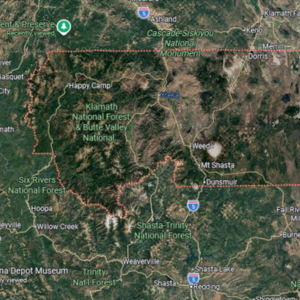
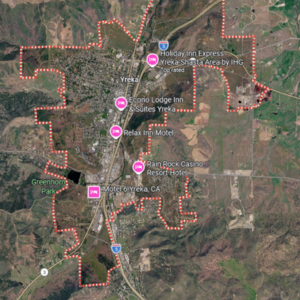
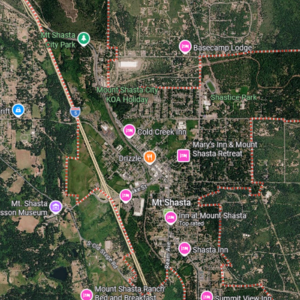
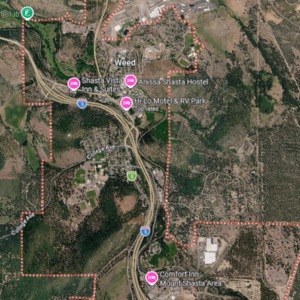
Locations in California we Service
5 Interesting Facts About Montague, CA
- Montague was founded as a railroad town in 1887. The community developed after the Oregon and California Railroad reached the area, turning Montague into an important transportation and commercial center.
- The city was named after a famous railroad engineer. Montague honors Samuel Skerry Montague, the Central Pacific Railroad’s chief engineer, who helped engineer the western portion of America’s first transcontinental railroad.
- Montague was once a major livestock shipping point. Ranchers drove cattle from Butte Valley and parts of southern Oregon to Montague, where the animals could be loaded onto trains and transported to distant markets.
- The town once had eight saloons and three manufacturing industries. Early Montague also supported a flour mill, machine shop and large box factory that employed approximately 100 workers.
- Montague’s municipal water comes from surface-water sources. The city’s public water system lists Lake Shastina and the Little Shasta River diversion as its active raw-water sources. Rural properties outside the service area may instead depend on private wells.
Read Our Latest Blogs
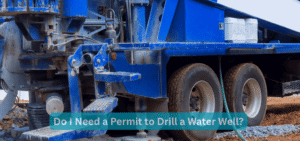
Do I Need a Permit to Drill a Water Well?
You need to check the applicable well-construction requirements before drilling a water well. In Northern California, you must obtain a well permit from the local
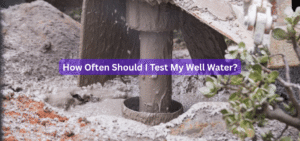
How Often Should I Test My Well Water?
If your home, farm, or business relies on a private well, you should test the water every year for bacteria and nitrates. In Southern Oregon,

How to Choose Between Well Drilling Companies
Choosing a well drilling company involves more than comparing prices per foot. You are choosing the contractor who will build a water source your household,
Get in Touch
For all your water well drilling and pump needs contact us today
Address
2301 S Mt Shasta Blv, Mt Shasta CA 96067
Enloedrillingandpumps@gmail.com
Call Us
541-841-4124