
Water Well Drilling in Mount Shasta, CA
Call us TODAy
✓ Call Your Local Well Drilling Experts
✓ Request a Free Drilling Quote
✓ Plan Your Well With Local Experience
✓ Start Your Water Well Project Today
Water Well Drilling
Planning a dependable water well in Mount Shasta means working with one of Northern California’s most distinctive groundwater systems. Snowmelt, rainfall, volcanic rock, lava tubes, fractured formations and alluvial deposits all influence how water moves beneath properties around the mountain. Conditions can differ between the City of Mount Shasta, forested foothills, open acreage, Lake Siskiyou and properties extending toward Weed, McCloud or Dunsmuir.
Enloe Drilling & Pumps provides professional water well drilling in Mount Shasta, CA for homeowners, rural property developers, small farms, commercial operations and landowners replacing older wells. Our multigenerational team uses local well records, site access, geology and your expected water demand to plan an appropriate drilling project.
Local Geology and Drilling Conditions in Mount Shasta
Mount Shasta’s groundwater is closely connected to its volcanic history. The mountain and surrounding foothills contain lava flows, fractured volcanic rock, pyroclastic material, debris-flow deposits, sand, gravel and other sediments. These materials do not store or transmit water in the same way, so drilling conditions can change significantly over a relatively short distance.
Fractured Lava and Volcanic Rock
Groundwater around Mount Shasta often travels through fractures, joints, lava tubes and open spaces within volcanic formations. These underground pathways can transmit large amounts of water when they are well connected. However, solid sections of lava may produce little water until the borehole reaches a productive fracture.
Hard volcanic rock can slow drilling and increase wear on equipment. Open fractures or voids may also cause drilling fluid or air circulation to behave differently. The construction plan must respond to the actual formations encountered rather than relying on a fixed expectation from the surface.
Debris-Flow and Pyroclastic Deposits
The lower slopes of Mount Shasta include broad areas of volcanic debris, pyroclastic-flow material and sediment carried downslope by water. These deposits can contain a mixture of fine material, boulders, ash, sand and gravel.
Loose or mixed formations may require careful casing to maintain the borehole and protect the finished well. Permeability can also vary. A coarse gravel layer may transmit water effectively, while a nearby compacted or fine-grained layer may restrict groundwater movement.
Alluvial Fans and Forested Foothills
Water from snowmelt and seasonal precipitation often enters porous volcanic material and stream channels before moving underground. Many Mount Shasta streams lose water into the permeable ground as they cross alluvial fans. Springs then appear where geology, elevation and fractures direct groundwater back toward the surface.
Forested foothill properties may encounter shallow soil over volcanic material, while lower properties can include thicker layers of sand and gravel. Elevation, slope position and proximity to known springs or drainage channels can influence the drilling plan, but none of these factors guarantees a specific well result.
Typical Water Well Depths in Mount Shasta
Nearby well completion records are one of the most useful tools for evaluating a Mount Shasta property. They can show recorded depths, construction details, static water levels and reported yields. They cannot predict exactly what will happen on an undrilled parcel.
Available well-record data for the Mount Shasta 96067 area includes more than 1,300 recorded wells and shows a median completed depth of approximately 144 feet. This figure provides a useful local reference, but it should not be treated as a promised drilling depth or quotation.
Some Mount Shasta properties may encounter usable groundwater at shallower depths where permeable sediments, lava tubes or productive fractures are present. Other sites may require drilling several hundred feet to find sufficient production, create a dependable water column or reach a better water-bearing formation.
Historical groundwater research around Mount Shasta has also recorded water-level fluctuations of up to approximately 27 feet. This demonstrates why a well should be planned for long-term conditions rather than only the water level observed during one season.
Before recommending a drilling approach, we consider:
- California well completion reports near the property
- Recorded depths, static water levels and reported production
- The parcel’s elevation and position on the mountain
- Volcanic deposits, fractured rock and alluvial material
- Seasonal snowmelt and groundwater fluctuations
- The proposed household, commercial or agricultural demand
- Space required for storage and pumping equipment
- Septic systems, property boundaries and contamination risks
Reaching water is only one part of the project. The completed system must provide enough sustainable production for the property while protecting water quality and allowing practical pump installation and future maintenance.
Residential and Agricultural Water Requirements
Residential Water Wells in Mount Shasta
A private residential well may need to serve drinking water, bathrooms, laundry, appliances, outdoor faucets, landscaping and fire-preparation storage. Rural homes may also require water for workshops, guest units, vegetable gardens or a small number of animals.
Mount Shasta properties can experience higher seasonal demand during dry summer months. Winter conditions also matter. Pumps, pressure equipment and exposed pipes must be installed with freezing temperatures and snow accumulation in mind.
The advantages of a professionally planned residential well include:
- A private water source designed around the property
- Pump equipment selected from the well’s tested performance
- Storage capacity for periods of heavier demand
- Freeze-conscious placement of pipes and pressure equipment
- Documented construction for maintenance and future ownership
- A system that can support rural living beyond city water lines
New well water should be tested before it becomes the home’s regular drinking supply. Clear, cold water may still contain bacteria, nitrate, minerals or naturally occurring substances that cannot be identified by appearance, taste or smell alone.
Small Farms, Livestock and Commercial Water Needs
Properties around Mount Shasta may use groundwater for horses, livestock, gardens, greenhouses, lodging, workshops or other commercial purposes. Each activity places a different demand on the well and pumping system.
A household with two horses does not require the same production as a greenhouse, campground or irrigated agricultural property. Planning should calculate the gallons per minute needed during peak use, the total daily volume and the seasonal operating schedule.
These requirements affect the well diameter, pump horsepower, electrical service, pressure system and storage capacity. Owners planning high-volume pumping should also investigate applicable groundwater rules, water rights and land-use restrictions. A well permit allows approved construction, but it does not necessarily authorise every possible use of the water.
Access Considerations for Rural Mount Shasta Properties
Access is especially important around Mount Shasta because many rural properties have steep driveways, forest roads, snow exposure or limited working space. A drilling rig and support vehicles are considerably larger and heavier than an ordinary pickup.
Before equipment is mobilized, we assess:
- Road width, grade and surface stability
- Turning space for the drilling rig and support vehicles
- Low branches and overhead power lines
- Soft shoulders, culverts and small bridges
- Snow, ice, mud and seasonal road restrictions
- Wildfire damage or recently disturbed ground
- Space for casing, tools and drilling materials
- Long-term access for pump servicing and well repairs
A level and stable working area may need to be prepared before drilling starts. Trees or branches may need trimming, and private roads may require grading or reinforcement. Winter weather can also affect scheduling and equipment movement.
The well should not be positioned only for immediate convenience. Future owners and service technicians must be able to reach the wellhead, pull the pump and work safely without removing buildings, fences or permanent landscaping.
California Well Permits and Construction Requirements
Siskiyou County reviews, permits and inspects domestic, agricultural, monitoring and exploratory wells in the Mount Shasta area. A permit is generally required before drilling a new well or deepening, altering, repairing or destroying an existing well.
The proposed well location must meet applicable separation requirements. The review can include septic tanks, leach fields, sewer lines, livestock areas, fuel storage, drainage routes and other possible sources of groundwater contamination.
Construction must comply with California well standards and current Siskiyou County requirements. These standards address casing, approved materials, the sanitary seal, wellhead protection, surface drainage and measures that prevent contaminated surface water from entering the borehole.
A contractor with the appropriate California licence must complete the drilling. Siskiyou County’s current permit conditions also require the driller to provide at least 24 hours’ notice before installing or placing the annular seal so the required inspection can be arranged.
The normal process includes:
- Reviewing the parcel and proposed use of the well
- Comparing possible sites with nearby well records
- Confirming septic, utility and contamination-source setbacks
- Submitting the required county permit application
- Preparing the road and drilling area
- Drilling, casing and sealing the well
- Developing and testing the completed well
- Designing the pump and storage system around actual results
- Filing the required well completion documentation
Forms, fees, inspection procedures and local restrictions can change. Property owners should confirm the current requirements with Siskiyou County Environmental Health before construction is scheduled.
Communities We Serve Near Mount Shasta
Our Mount Shasta water well drilling service covers rural properties and communities around:
- Mount Shasta
- Weed
- McCloud
- Dunsmuir
- Lake Siskiyou
- Hammond Ranch
- Black Butte
- Edgewood
- Castella
- Surrounding Mount Shasta foothill properties
Illustrative Mount Shasta Water Well Drilling Scenario
The following example shows how a typical Mount Shasta project could be approached. It is an illustrative scenario and is not presented as a completed Enloe customer project.
Consider a family developing a forested property outside the City of Mount Shasta. Their plans include a three-bedroom home, a guest cabin, a vegetable garden and a water-storage tank for summer use. Nearby well records show several different depths because the properties sit across changing volcanic formations.
Before drilling, we would review the closest relevant well completion reports, confirm the proposed septic area and inspect the driveway for rig access. Low branches would need trimming, and part of the work area might require grading to provide a stable, level drilling platform.
The water-demand calculation would include both buildings, outdoor use and the family’s busiest periods. If the completed well produced water steadily but could not meet every peak directly, storage could allow the well to recover over time while the pressure system supplies the home and guest cabin.
This type of planning treats the well as one part of a complete water system. Sustainable production, available storage, pump selection, frost protection and future service access are just as important as the final drilling depth.
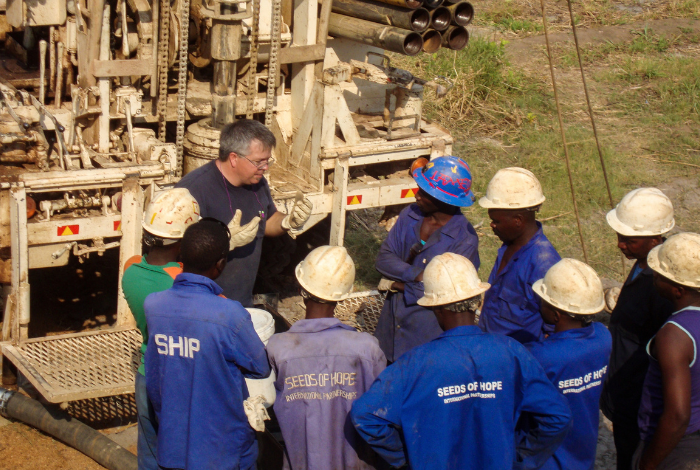
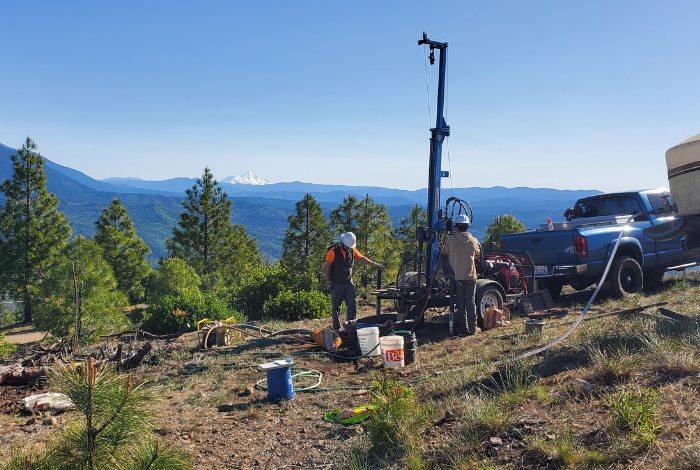
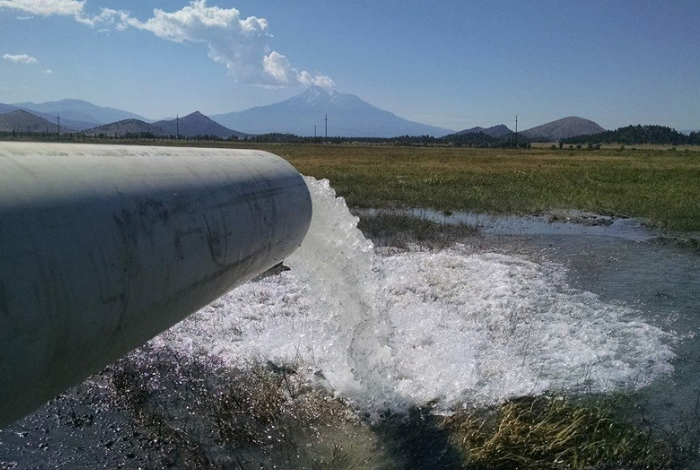
Images of some of our Drilling Projects


Benefits of Well drilling in Mount Shasta, CA
A water well is a major investment in your Mount Shasta property. Local volcanic conditions, seasonal weather and difficult access make careful preparation important. Decisions made during construction can affect water reliability, pump performance and maintenance costs for years.
Working with Enloe Drilling & Pumps provides several practical advantages:
- Multigenerational Northern California drilling experience
- Knowledge of volcanic rock and fractured formations
- Planning supported by nearby well completion records
- Residential, livestock, agricultural and commercial capabilities
- Well drilling, testing and pump services from one team
- Realistic explanations of depth and production uncertainty
- Practical preparation for mountain roads and seasonal weather
We do not assume that every Mount Shasta property will reach water at the local median depth. We use available records to prepare for likely conditions, then make construction decisions based on the geology and groundwater encountered during drilling.
Your questions answered
FAQ About Water Well Drilling in Mount Shasta, CA
What is the typical water well depth in Mount Shasta?
Available records for the Mount Shasta 96067 area show a median well depth of approximately 144 feet. Some wells are shallower, while others extend several hundred feet. Your required depth will depend on the property’s geology, elevation, groundwater level and the formations encountered during drilling.
Does volcanic rock provide good groundwater?
It can. Fractures, joints and lava tubes may transmit substantial amounts of groundwater. Solid volcanic rock may produce little water until drilling reaches a connected fracture. Production can therefore vary between nearby properties.
Do I need a permit to drill a well near Mount Shasta?
Yes. Siskiyou County generally requires a permit before a new water well is drilled. Altering, deepening or destroying an existing well may also require approval. The proposed location must satisfy current setbacks and construction standards.
Can a private well support a home and guest cabin?
Possibly, but both buildings must be included in the demand calculation. The tested well yield, daily usage, peak demand, pump capacity and storage volume should be evaluated together before the final system is selected.
Can drilling be completed during winter?
That depends on the property and current conditions. Snow, frozen ground, steep roads and limited equipment access can affect scheduling. Preparing the road and drilling pad before severe winter weather may make the project safer and more efficient.
Locations in California we Service
Interesting Facts about Mount Shasta, CA
- Is the most voluminous volcano in the Cascade Range. The massive stratovolcano has an estimated volume of approximately 84 cubic miles and reaches more than 14,160 feet above sea level.
- The mountain was formed during four major cone-building periods. Mount Shasta is a compound volcano made up of several overlapping volcanic cones, including the prominent Shastina cone on its western side.
- Has five significant glaciers. These include Bolam, Hotlum, Konwakiton, Whitney and Wintun. Whitney Glacier is the largest glacier in California.
- Much of Mount Shasta’s water travels underground. Snowmelt and rainfall enter porous lava flows, fractures and lava tubes. Many springs around the mountain emerge from these volcanic formations and supply nearby communities.
- Groundwater feeds three major river systems. Water from the mountain moves toward the Shasta River, Sacramento River and McCloud River, making the mountain an important regional water source.
Read Our Latest Blogs
What Happens If My Water Well Runs Dry?
If your water well runs dry, the first thing you should do is switch off power to the well pump and stop using water. Continuing

What Questions Should I Ask Before Hiring a Well Driller?
Most homeowners think hiring a well driller is as simple as collecting three quotes and choosing the lowest price. After years in the drilling industry,
Do I Need a Permit to Drill a Water Well?
You need to check the applicable well-construction requirements before drilling a water well. In Northern California, you must obtain a well permit from the local
Get in Touch
For all your water well drilling and pump needs contact us today
Address
2301 S Mt Shasta Blv, Mt Shasta CA 96067
Enloedrillingandpumps@gmail.com
Call Us
541-841-4124