Top Rated Water Well Drilling Company in Etna, CA?
Call us TODAy
✓ Call Your Local Well Drilling Experts
✓ Request a Free Drilling Quote
✓ Plan Your Well With Local Experience
✓ Start Your Water Well Project Today
Water Well Drilling Company
Planning a dependable water well in Etna requires an understanding of Scott Valley groundwater, seasonal water levels and the geological differences between the valley floor and surrounding mountain properties. Wells near Etna may encounter layers of sand, gravel, silt and clay, while elevated parcels along the valley margins may require drilling into weathered or fractured bedrock.
Enloe Drilling & Pumps provides professional water well drilling in Etna, CA for rural homeowners, ranchers, farmers and commercial property owners. Our multigenerational team reviews nearby well records, property access, local formations and your expected water demand before developing a practical drilling plan.
Properties within the City of Etna may have access to the municipal water system. The city diverts water from Etna Creek, treats and stores it, and then supplies customers through a gravity-fed distribution system. Private wells are more common on ranches, farms and rural parcels beyond the municipal service area.
Local Geology and Drilling Conditions in Etna
Etna sits near the southern portion of Scott Valley at the foot of the Klamath Mountains. The valley contains sediments deposited by the Scott River, Etna Creek and smaller streams flowing from the surrounding slopes. These deposits can include sand, gravel, cobbles, silt and clay.
The surrounding mountains contain much older and harder rock. Properties located near the valley margins may encounter shallow alluvium followed by weathered or fractured bedrock. The change from valley sediment to mountain rock can occur over a relatively short distance.
Sand and Gravel Aquifers on the Valley Floor
Much of Scott Valley’s groundwater occurs within alluvial deposits. Sand, gravel and cobbles can store and transmit water when the material is sufficiently coarse and connected to a reliable recharge source.
Productive zones are not always continuous. A thick gravel layer beneath one property may become thinner or contain more clay beneath another. Clay and fine silt slow groundwater movement and may separate shallower water from deeper sections of the aquifer.
Loose sand and gravel also require careful well construction. The casing, screen openings and gravel pack should be selected for the formations encountered. Correct design helps water enter the well while limiting sand production and protecting the pump.
Fractured Bedrock Near the Valley Margins
Parcels west and south of Etna may lie closer to the Klamath Mountain foothills. These properties can encounter weathered rock, metamorphic formations and harder bedrock below a thinner layer of soil and sediment.
Bedrock wells depend on fractures, joints and weathered zones rather than the open pore spaces found in sand and gravel. A connected fracture can provide a dependable supply, but solid rock between fractures may produce very little water.
This makes mountain-edge wells less predictable than many valley-floor wells. Two parcels at similar elevations can have different drilling depths and yields because the water-bearing fractures do not follow property boundaries.
Connection Between Groundwater and the Scott River
Groundwater levels in Scott Valley rise and fall with precipitation, snowmelt, streamflow and seasonal pumping. Valley-floor groundwater can be closely connected to the Scott River and its tributaries.
Monitoring data shows that Scott Valley’s groundwater is often relatively shallow. Two-thirds of recorded water-level measurements in one regional analysis were less than 30 feet below ground. Shallow water does not mean every well should be shallow, nor does it guarantee sufficient year-round production.
Water levels commonly decline through the dry irrigation season and recover after autumn rain and winter recharge. A well should therefore be designed around seasonal conditions rather than a single water-level measurement.
Typical Water Well Depths in Etna
Nearby well completion reports are important planning tools for an Etna drilling project. They can show recorded depths, geological formations, static water levels and reported yields. However, they cannot guarantee the performance of an undrilled parcel.
Available records for wells in the wider 96027 area indicate a median completed depth of approximately 75 feet. A Scott Valley analysis found that irrigation wells ranged from about 10 feet to 400 feet deep, with an average depth close to 100 feet. Approximately one-quarter of those irrigation wells were less than 70 feet deep, while another quarter exceeded 150 feet.
These figures reflect the broad variation across the valley. Many Etna-area domestic wells may be planned within a general range of approximately 50 to 150 feet. Deeper wells may be required near the foothills, where drilling must locate fractured bedrock, or where the owner needs additional water column and drought protection.
A shallow static water level does not determine the correct stopping depth. The well must extend far enough below the seasonal low water level to provide adequate available water and safe pump placement.
Before developing an Etna water well plan, we consider:
- California well completion reports near the property
- Recorded well depths and static water levels
- Available yield and pump-test information
- The parcel’s position on the valley floor or mountain margin
- Layers of sand, gravel, clay and bedrock
- Seasonal groundwater changes in Scott Valley
- Nearby domestic and agricultural pumping
- The property’s daily and peak water requirements
- Available space for storage and pressure equipment
The first groundwater encountered may not provide sufficient production or seasonal reliability. The final depth should be based on the formations, available water column and recovery observed during construction and testing.
Residential and Agricultural Water Requirements
Residential Water Wells in Etna
A rural home may need water for bathrooms, laundry, appliances, outdoor faucets, gardens and a workshop. Guest accommodation, accessory dwellings and livestock troughs can increase daily demand beyond normal household use.
Peak demand is often more important than the daily average. A well may provide enough water over 24 hours but still struggle when several showers, appliances and outdoor taps operate at the same time.
A properly sized storage tank can help a moderate-producing well meet these busy periods. Water accumulates at a controlled rate, and a separate pressure pump supplies the home when demand increases.
Benefits of a properly designed residential well system include:
- A private water source for qualifying rural properties
- A pump selected from measured well performance
- Storage options for moderate or seasonal production
- Water planning for homes, gardens and limited livestock
- Improved control over system maintenance
- Documented construction for future repairs and property sales
- Equipment placement designed for freezing winter temperatures
A new well should be tested by a qualified laboratory before regular household use. Testing can identify bacteria, nitrate, minerals and naturally occurring substances that may not change the water’s appearance, smell or taste.
Ranch and Agricultural Wells in Etna
Scott Valley supports cattle operations, hay fields, pasture, gardens and other agricultural activities. These uses can require substantially more water than a standard residential property.
Livestock demand depends on the number of animals, summer temperatures and the distance to each watering point. Irrigation planning must consider the planted acreage, crop type, soil conditions, application method and number of daily pumping hours.
Storage can help supply livestock and smaller gardens without requiring a high instantaneous well yield. Larger pasture or crop-irrigation systems require sustained production, suitable well diameter and a pump designed for extended operating periods.
Scott Valley groundwater is managed through a Groundwater Sustainability Plan, and portions of the interconnected groundwater and surface-water system are subject to an existing adjudication. A permit to construct a well does not automatically provide authority for unrestricted irrigation pumping.
Access Considerations for Rural Etna Properties
Properties around Etna range from level ranchland to wooded parcels reached by narrow foothill roads. Drilling rigs and support vehicles need more space, height and road strength than ordinary pickups or farm vehicles.
Winter snow, spring mud and irrigation-season activity can affect access. A road that appears firm in late summer may become too soft for heavy equipment after prolonged rain or snowmelt.
Before equipment is mobilised, we assess:
- Road width, grade and load-bearing condition
- Gate openings and available turning space
- Low branches, overhead lines and irrigation pipes
- Bridge, culvert and cattle-guard weight capacities
- Mud, snow and seasonal drainage crossings
- Fences, corrals and active livestock areas
- Space for the rig, casing and support vehicles
- Distance from septic systems and contamination sources
- Wildfire conditions and vegetation clearance
- Permanent access for pump removal and well maintenance
A stable working area may need to be graded or compacted before the drilling crew arrives. Livestock should be kept out of the drilling zone, and underground power, water and irrigation lines should be clearly marked.
The finished wellhead must remain accessible after fences, barns and landscaping are installed. Future pump service requires enough vertical and horizontal clearance for equipment to work directly over the well.
California Well Permits and Construction Requirements
Siskiyou County Environmental Health reviews and permits domestic, agricultural, monitoring and exploratory wells around Etna. A permit is generally required before drilling a new well or deepening, altering, repairing or properly destroying an existing well.
Properties within or close to the city should first determine whether the City of Etna water system can serve the parcel. Municipal availability may affect whether a private well is necessary or eligible for approval.
The well location must meet current separation requirements. County review may consider septic tanks, disposal fields, sewer lines, livestock enclosures, manure storage, fuel tanks, drainage routes and other potential contamination sources.
Well construction must comply with applicable California standards and Siskiyou County requirements. These rules address casing, well screens, annular seals, approved materials, surface drainage and the prevention of contaminated water moving between underground formations.
The work must be completed by a contractor holding the appropriate California license. The county may require advance notice before the sanitary seal is installed so the work can be inspected. A well completion report must also be filed after construction.
The normal process includes:
- Confirming whether city water service is available
- Defining the proposed domestic or agricultural use
- Reviewing nearby completion reports and groundwater information
- Selecting a location that meets required setbacks
- Submitting the Siskiyou County permit application
- Completing any required groundwater or water-right review
- Preparing the access road and drilling area
- Drilling and installing the correct casing or well screen
- Sealing, developing and testing the completed well
- Selecting the pump, pressure tank and storage system
- Testing the water and filing completion documentation
Permit fees, application forms and groundwater procedures can change. Confirm current requirements with Siskiyou County Environmental Health, the City of Etna and the appropriate groundwater agencies before scheduling construction.
Communities We Serve Near Etna
Our Etna water well drilling service includes qualifying properties in and around:
- Etna
- Greenview
- Fort Jones
- Callahan
- French Creek
- Quartz Valley
- Kidder Creek
- Scott River Road
- Sawyers Bar Road
- Rural parcels along Highway 3
- Farms throughout the southern Scott Valley
- Foothill properties near the Marble Mountains
Illustrative Etna Water Well Drilling Scenario
The following example shows how a typical Etna-area project could be planned. It is an illustrative scenario and is not presented as a completed Enloe customer project.
Imagine a family purchasing a 15-acre property between Etna and Greenview. They plan to build a three-bedroom home, keep six horses and irrigate a garden and small area of pasture. The parcel is outside the municipal service area and requires an approved private well.
The first step would be to estimate the combined household, livestock and seasonal irrigation demand. Nearby well records would help identify local depths, water levels and formations. The property’s location on the valley floor would suggest that drilling could encounter alternating layers of sand, gravel and clay.
The proposed well site would need to meet septic setbacks and remain accessible throughout the year. A narrow gate would need widening, and an irrigation line crossing the access road would need to be marked before equipment arrived.
Suppose the completed well produced a dependable household and livestock supply but could not meet the full pasture demand during short periods of heavy irrigation. A storage tank and scheduled irrigation zones could reduce the instantaneous load on the well.
This approach would balance the family’s water use with the well’s measured recovery. It demonstrates why storage, pump size, irrigation scheduling and seasonal water levels matter as much as the completed drilling depth.
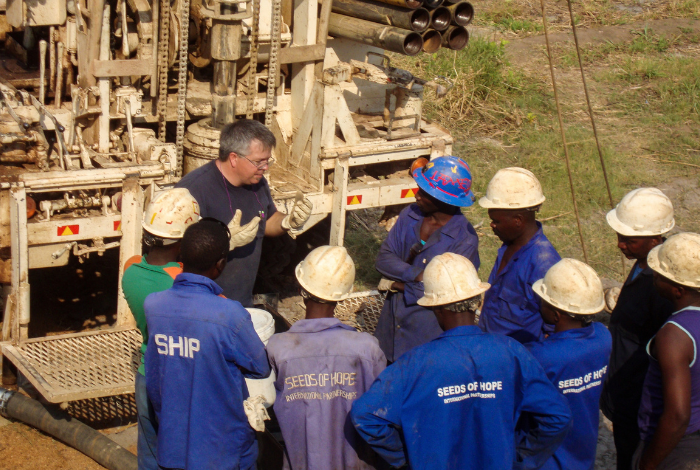
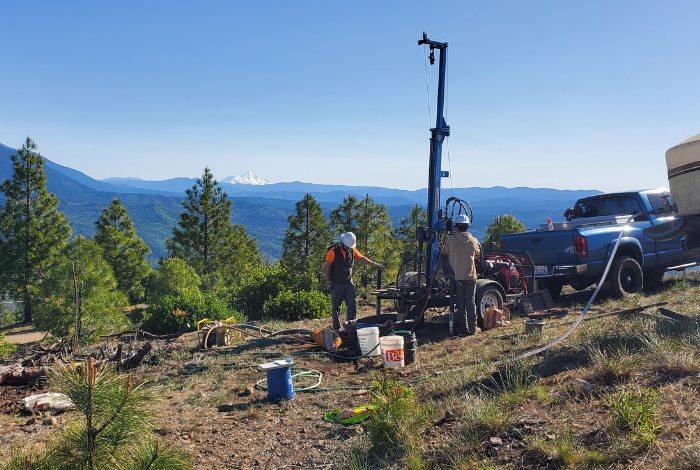
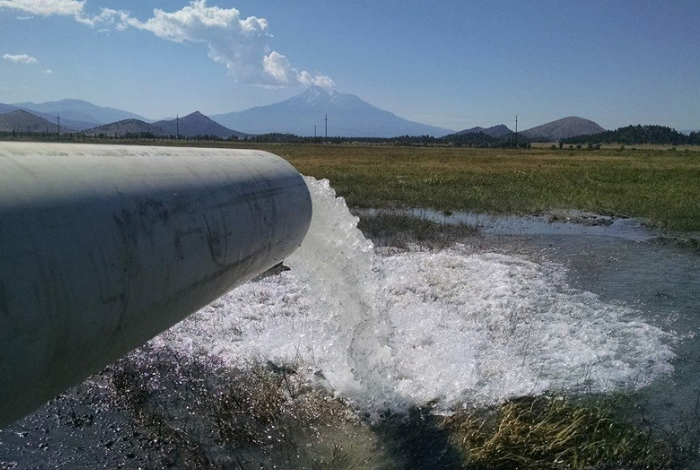
Images of some of our Drilling Projects


Benefits of Well drilling in Etna, CA
Etna properties can encounter very different drilling conditions depending on whether they are located on the Scott Valley floor or near the mountain margins. An experienced drilling team can prepare for these changes and design the well around its intended use.
Choosing Enloe Drilling & Pumps provides several practical advantages:
- Multigenerational water well drilling experience
- Knowledge of Northern California valley and bedrock conditions
- Planning informed by nearby well completion records
- Residential, ranch, agricultural and commercial capabilities
- Well development, production testing and pump services
- Storage solutions for moderate-producing wells
- Access planning for farms and foothill properties
- Clear explanations of depth, yield and seasonal uncertainty
We do not guarantee a fixed depth or water yield before drilling begins. We use local information to establish realistic expectations and select the final pumping equipment according to the well’s measured performance.
Your questions answered
FAQ About Water Well Drilling in Etna, CA
What is the typical water well depth near Etna?
Available records for the wider 96027 area indicate a median well depth of approximately 75 feet. Scott Valley irrigation wells range from about 10 to 400 feet, with an average near 100 feet. Many domestic projects may use a broad planning range of roughly 50 to 150 feet, but foothill and fractured-rock properties may require deeper drilling.
Do homes inside Etna need private wells?
Many properties within the city receive treated surface water from Etna Creek through the municipal system. Private wells are more common on farms, ranches and undeveloped parcels beyond the service boundary. Confirm city water availability before beginning a well permit application.
Is groundwater shallow throughout Scott Valley?
Groundwater is relatively shallow across many parts of the valley floor, but levels change seasonally and by location. Shallow groundwater does not guarantee adequate well production or drought protection. The well still needs enough depth and available water column for the property’s intended use.
Can I use an Etna well for pasture irrigation?
Possibly, but the well’s sustainable production and the proposed irrigation volume must be evaluated. Scott Valley groundwater management and adjudication requirements may also affect pumping. A construction permit alone does not guarantee unrestricted irrigation use.
How should I prepare my property for a drilling rig?
Provide a stable access road with enough width, height and turning space for heavy equipment. Mark buried utilities, irrigation lines, septic components and property boundaries. Check gates, cattle guards and culverts, and keep livestock away from the drilling area.
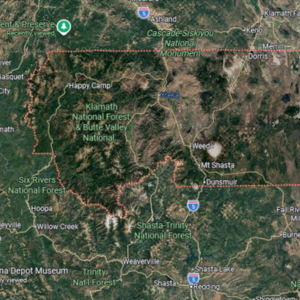
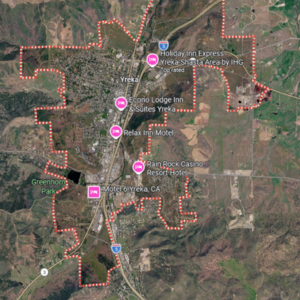
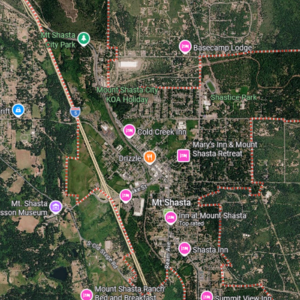
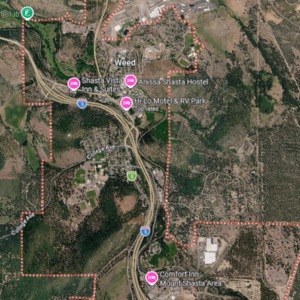
Locations in California we Service
Interesting Facts about (Location)
- Etna was originally called Rough and Ready. The settlement was founded in 1853 during the Gold Rush era and grew around a sawmill, miners, merchants and mule packers.
- The city took its name from a flour mill. The nearby Aetna Mills was named after Mount Etna in Sicily. The community officially adopted the shorter name Etna in 1874.
- A major flood helped shape the modern town. Flooding during the winter of 1861–1862 badly damaged Aetna Mills. Its post office, businesses and residents relocated to Rough and Ready, helping the present community expand.
- Etna’s municipal water comes from Etna Creek. Water is diverted from the creek to a treatment and storage facility before being gravity-fed to homes and municipal users.
- Etna is a gateway to the Marble Mountain Wilderness. The city sits in Scott Valley near the wilderness entrance, with access to hiking routes, mountain lakes and the Pacific Crest Trail near Etna Summit.
Read Our Latest Blogs
Can You Have a Well in an Urban Area?
Yes, you can have a water well in some urban areas, but approval depends on local regulations, your intended water use, groundwater conditions, and the

How to Find a Reliable Water Well Drilling Company Near Me
Finding a reliable water well drilling company isn’t about finding the lowest price or the first company that appears in Google search results. It’s about
How Often Should I Test My Well Water?
If your home, farm, or business relies on a private well, you should test the water every year for bacteria and nitrates. In Southern Oregon,
Get in Touch
For all your water well drilling and pump needs contact us today
Address
2301 S Mt Shasta Blv, Mt Shasta CA 96067
Enloedrillingandpumps@gmail.com
Call Us
541-841-4124